


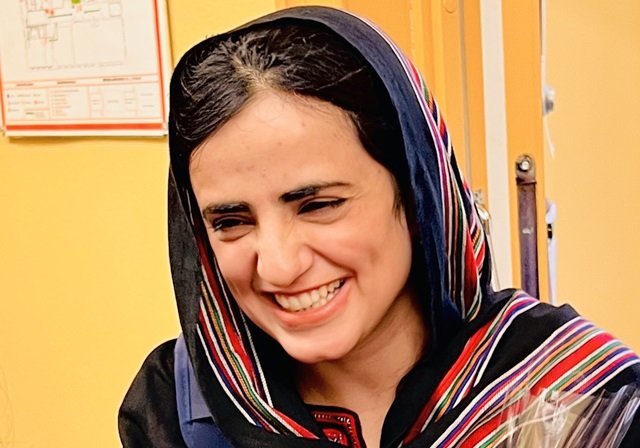
United Nations human rights experts have expressed grave concern over the sentencing of prominent Baloch human rights defender Dr. Mahrang Baloch to two terms of life imprisonment by an Anti-Terrorism Court in Quetta, describing the judgment as an unjustified punishment delivered through an unfair trial. The experts said the case reflected the misuse of counter-terrorism and murder charges to suppress peaceful protest and fundamental freedoms of association and expression.
Dr. Baloch, who leads the Baloch Yakjehti Committee (BYC), was convicted alongside fellow BYC leader Sibghatullah Shahji in connection with the killing of a Frontier Corps member during a sit-in protest in Gwadar in July 2024. According to the experts, the demonstration focused on alleged systemic discrimination, enforced disappearances, state violence, impunity, and the unlawful appropriation of Indigenous lands and resources associated with foreign investment projects, including the Reko Diq mine.
The experts said the Anti-Terrorism Court concluded that the two activists shared a common intent to commit murder based solely on their participation in the protest. The court also classified their conduct as terrorism under the Anti-Terrorism Act. Describing the ruling as a “travesty of justice,” the experts said the charges had been used to suppress peaceful activism rather than address criminal conduct.
According to the experts, Dr. Baloch continues to face multiple legal proceedings, with several cases still pending before the courts. They warned that additional convictions remain possible, citing reports that at least 50 police complaints have been filed against her. They said the volume of cases appeared intended to intimidate, punish and deter both Dr. Baloch and other Baloch activists advocating on behalf of victims of alleged human rights violations.
The experts also raised concerns about the conduct of the trial, saying it was marked by serious due process shortcomings. They stated that the proceedings were transferred to a prison facility and that the accused were denied the opportunity to appear in person despite Dr. Baloch’s objections to participating remotely through video link. They further said she was prevented from selecting her own legal counsel and instead was represented by a state-appointed lawyer.
In addition to concerns over the legal process, the experts highlighted Dr. Baloch’s reported health condition and the circumstances of her detention. They cited inadequate access to medical care and referred to allegations that pressure had been placed on members of her family. Stressing international legal standards, the experts said the right to a fair trial must be respected even when governments invoke national security or counter-terrorism measures. They called on Pakistan to meet its obligations under the International Covenant on Civil and Political Rights as well as its own constitutional guarantees and urged authorities to prevent the misuse of counter-terrorism legislation.
The experts said Dr. Baloch’s conviction occurred amid a broader crackdown on the BYC following demonstrations and security operations in Balochistan. They referred to reports of excessive force, arbitrary detention, enforced disappearances and movement restrictions during the campaign. They also said counter-terrorism laws and blacklisting mechanisms, including the Fourth Schedule and the Exit Control List, had been misused against individuals exercising their rights to peaceful assembly, association, expression and human rights advocacy, concerns they said had previously been raised with Pakistani authorities in 2024 and 2025.
Warning of wider implications, the experts said the convictions risk silencing independent voices in Balochistan and further reducing civic space. They noted that women human rights defenders have played a leading role in campaigns against enforced disappearances and extrajudicial killings while seeking accountability. The experts said that within what they described as a deeply patriarchal security environment, these activists have faced increased stigma, gender-based threats and reprisals through the alleged misuse of counter-terrorism measures. They also recalled that states have a duty to protect individuals raising concerns about business and investment projects affecting Indigenous communities and said companies are responsible for respecting human rights through due diligence and meaningful engagement. The experts further pointed to the recent reported raid on the family home of another Baloch human rights defender, Sammi Deen Baloch, following repeated visits by security personnel, describing it as part of a pattern of intimidation and harassment.









