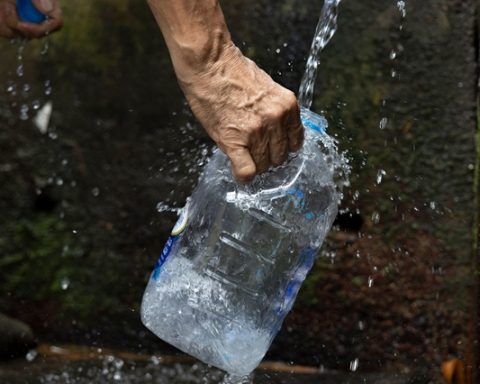
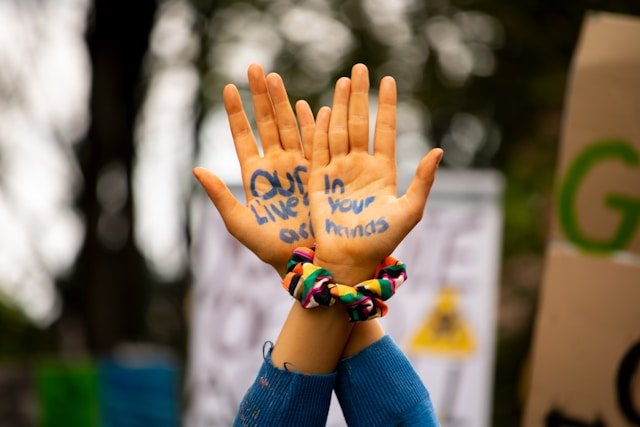
“The hibernating monster, ‘El Niño’, rose from the depths of the ocean to swallow the rain drops and scorch the land and its creatures. The silence in the ocean roars louder across the land.” Imagine a digital narrative where such evocative scenes highlight the conflict between nature and humans on earth while enhancing audience’s literacy about complex natural phenomenon of ‘El Niño’. ‘Conflict’ is one of the fundamental elements of any narrative and contemporary narratives are increasingly extending beyond the conventional person vs. person conflicts to portray person vs. nature conflict. This transition in digital narratives foregrounds natural disasters and climate change to deepen the audience engagement with nature-person conflict. Vivid personification and immersive visualisation of a natural phenomenon certainly stimulate the young imagination and have long-lasting cognitive and emotional impression. Digital narratives on climate change with a focus on the element of human-nature conflict can be significant sources to impart climate literacy among students and masses.
As consumers and producers of digital content in the contemporary era, we rely on digital media to present and access complex concerns. Transforming global and highly scientific phenomena such as climate change into relatable narratives is not only more accessible and engaging but also more effective means of climate communication. Common forms of digital climate change narratives include climate blogs, podcasts, social media storytelling, interactive digital stories, and documentaries. Some well-known podcasts include Yale Climate Connections, the BBC The Climate Question, The Resilience Podcast by UNEP and many climate podcasts by Earth.org. Social media platforms, blogs such as Climate stories Project, can be excellent options to disseminate climate narratives.
Beyond serving as highly engaging tools for climate communication, digital narratives also open doors to moral imagination and stimulate self-moral reflection among audience. Emotional and ethical engagement through immersive digital narratives promotes critical reflection on human-nature relationships. Speculative climate narratives such as Your Son: 2035, and visualisation of consequences of climate change invites audience to reconsider the ways of living and adopt responsible behaviour towards environment. Another dimension to ethical engagement through digital narratives is fostering collective empathy towards nature. Greta Thunberg’s popular speech, How Dare You at 2019 UN Climate Action Summit and its wide circulation though digital platforms also indicates the potential of digital media as tools of narrative dissemination and creation. The speech outlined the shared global ethical concerns and the dire need for development of collective empathy.
While digital narratives foster ethical and empathetic outlook, climate literacy comprises other competencies as well. Climate literacy includes knowledge, values, skills, and behavioural aspects to engage with climate change concerns. The broad four-fold attributes of climate literacy involve—understanding of the reasons and effects of climate change, critical evaluation of existing literature on climate change, recognition of interconnectivity of ecological systems and participation in climate action. Climate action, adaptation and resilience provide climate agency to respond to climate change. Digital narratives, being highly engaging, become important means of imparting climate literacy. Documentary series like Faces of Climate Resilience can be significant source of imparting climate literacy through digital storytelling. The series highlights 16 grassroots stories from Indian states showcasing how local communities are adapting to climate crises like forest fires, coastal communities restoring ecosystems, and climate-resilient infrastructure development.
Digital narratives possess immense potential to permeate the mind and emotions of the masses through multimodality, relatability, and accessibility. As powerful tools for climate communication, digital narratives can foster moral transformation, inspire collective empathy, and result in meaningful climate action though enhanced climate literacy. The endeavours for creating meaning digital narratives on climate change can be an ongoing project to impart and sustain climate literacy, empowering people for a responsible behaviour towards climate change.