Iran and Oman have restarted discussions aimed at managing traffic through the Strait of Hormuz, as Tehran faces heightened economic pressure from US President Donald Trump and diplomatic efforts to end the wider conflict remain stalled.
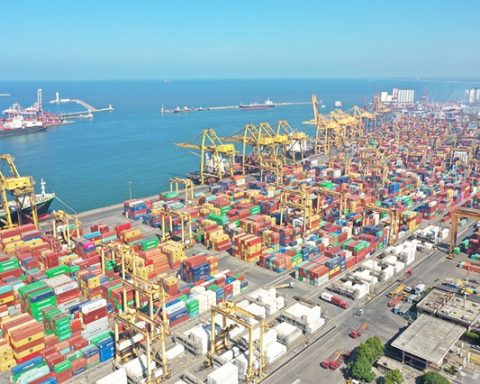
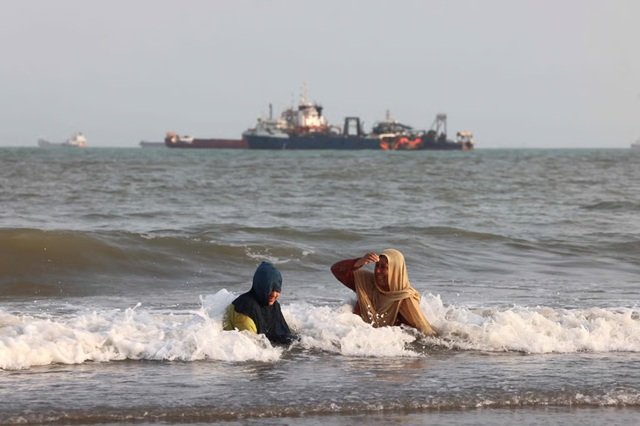
The two neighbouring countries have held on-and-off talks for weeks over controlling passage through the strategic waterway, which handled one-fifth of global oil and liquefied natural gas shipments before the war began in February. Most shipping through the strait has been shut down since then, leaving the route at the centre of efforts to restore maritime movement amid continuing tensions.
On Tuesday, Iran and Oman said they had discussed “a joint temporary navigational corridor” through the strait and agreed to clear the waterway of mines. The announcement came after Trump said that all mines in the strait had been cleared, repeating comments he has previously made.
Although active hostilities between the United States and Iran have largely subsided, the absence of a broader peace agreement continues to complicate efforts to restore safe passage. The security situation around the waterway remains uncertain, with a fresh incident highlighting the risks facing vessels.
An oil tanker was struck on Tuesday by an unidentified projectile and disabled about 9 nautical miles (17 km) northeast of Oman’s Ash Shishah, which lies at the entrance to the Strait of Hormuz, according to the United Kingdom Maritime Trade Operations.
The tensions have also extended beyond the immediate maritime and economic confrontation. The US Secret Service said on Tuesday that it was aware of a video broadcast by Iranian state television discussing a potential plot to assassinate Trump’s youngest son, Barron. The three-minute broadcast referred to Barron Trump, 20, claimed that he was being monitored and alleged that a $10 million bounty had been offered for his killing.
Meanwhile, Washington is continuing efforts to increase pressure on Iran’s economy. The United States earlier this week threatened to punish countries that continue to do business with Iran, although it said penalties would not be imposed immediately. Iran denounced the effort to isolate its economy as an act of “gross lawlessness” and expressed confidence that many countries would not join the US pressure campaign.
Oil prices fell for a second day as traders appeared to brush off the immediate impact of the US sanctions. At the same time, Washington has begun sending personnel back to some diplomatic missions in the Middle East that were evacuated or downsized amid tensions with Iran. Two people familiar with the matter told Reuters that some embassies would initially operate below full capacity, suggesting that Washington sees a lower risk of the conflict escalating in the near term.
The political pressure is also mounting domestically in the United States. Reuters/Ipsos polling found that public approval of the war had fallen to its lowest level since the conflict’s early days, while Trump’s popularity was likewise at a record low ahead of congressional elections in November.
Thousands of people have died in the conflict, most of them in Iran and Lebanon, while the United States and Israel have degraded much of Iran’s conventional military capacity. The exact state of Iran’s nuclear programme remains unknown, despite US and Israeli efforts to dismantle it.
Against that backdrop, the renewed Iranian-Omani discussions over the Strait of Hormuz offer a limited diplomatic opening. But with shipping still exposed to attack, sanctions pressure intensifying and negotiations over a peace deal stalled, restoring reliable passage through one of the world’s most important energy routes remains a fragile and unresolved challenge.