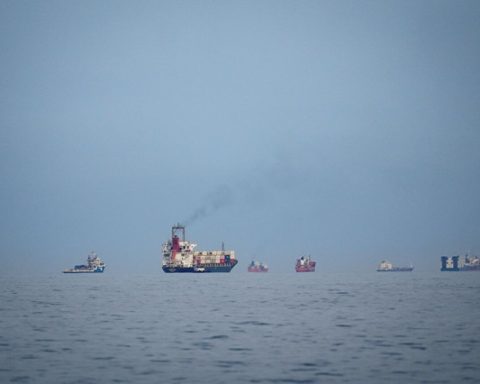
Oil prices fell on Tuesday as investors assessed the prospect of additional Russian diesel entering global markets following US President Donald Trump’s decision to temporarily ease restrictions on Russian fuel supplies, while escalating attacks in the Middle East limited the decline.
Brent crude futures fell 1.48% to $105.05 a barrel, while US West Texas Intermediate (WTI) futures declined 1.57% to $92.27. The market movement came after Trump said Russia had agreed to increase diesel supplies to the United States and global markets for six months.
Trump defended the decision on Monday despite bipartisan criticism from US lawmakers, who warned that easing restrictions could weaken sanctions imposed on Moscow over its war in Ukraine. In a post on Truth Social, he pointed to the European Union’s spending on Russian energy imports and argued that his decision was in the interests of American consumers.
However, additional Russian supplies may offer only limited relief to strained diesel markets. Goldman Sachs estimated that an increase of 800,000 metric tonnes, equivalent to about six million barrels, would reduce wholesale diesel prices by only $1 to $2 a barrel in the US Gulf Coast and Europe.
The bank said Russia’s ability to increase exports was constrained by disruptions to its refining industry. Russian refinery outages had risen by three million barrels per day compared with a year earlier, limiting Moscow’s capacity to expand production despite the proposed easing of restrictions.
Global diesel supplies remain under pressure, with inventories declining in major markets. According to Goldman Sachs, US diesel stocks were 14% lower than a year earlier, while visible inventories in China had fallen by 11%.
The bank attributed the tightening market to seven consecutive months of declining global diesel production. Seaborne diesel exports had dropped by 1.4 million barrels per day, or 20%, year on year, contributing to shortages and sustained pressure on fuel prices.
The prospect of increased Russian exports therefore comes as markets contend with a combination of reduced production, falling inventories and geopolitical disruption. Although the proposed six-month arrangement could bring additional supplies to international buyers, Goldman Sachs’ estimates suggest that the increase would not be sufficient to reverse the broader pressure on diesel markets.
Developments in the Middle East also remained a concern for energy traders. Iran-backed Houthi militants in Yemen attacked King Khalid International Airport in Riyadh, Saudi Arabia, on Saturday, killing 12 people and injuring more than 300, according to the supplied report. The attack marked a significant escalation in the conflict and added to uncertainty surrounding regional security.
The combination of potential additional Russian supplies and continued disruption in the Middle East left oil markets weighing competing pressures on global energy prices, as investors assessed whether the proposed increase in diesel exports would meaningfully ease supply constraints.