Finance officials from around the world will gather in Bangkok this week for the annual meetings of the International Monetary Fund (IMF) and World Bank, confronting a combination of war in the Middle East, severe energy supply disruptions, rising interest rates and record public debt that threatens an already sluggish global economy.
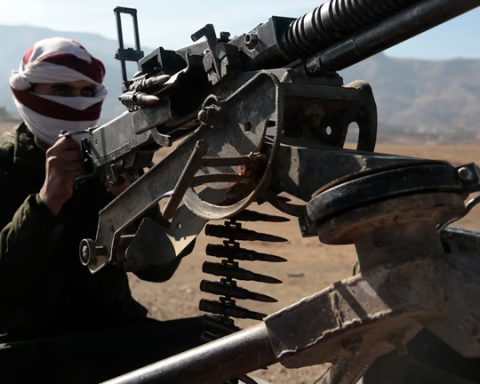
The US-Israeli-led war with Iran, now in its eighth month, is expected to dominate discussions, alongside the inflation and economic hardship caused by the conflict. The meetings are being held outside Washington for the first time in three years, bringing more than 10,000 travellers to the Thai capital amid security concerns linked to the widening regional conflict.
US Treasury Secretary Scott Bessent will be absent from the gathering, having sent two senior officials in his place while he attended to what a US official described as “domestic engagements”. His decision also to skip a meeting of the Group of 20 major economies, which the United States leads this year, could frustrate international counterparts amid tensions over Iran, Russia’s war against Ukraine and Washington’s sanctions on the International Criminal Court.
World Bank President Ajay Banga told Reuters that global growth had initially proved more resilient than expected after Iran closed the Strait of Hormuz, disrupting the passage of about 20% of the world’s oil supply. However, he warned that pressures were building again as diesel and fertiliser prices rose and a potentially severe El Niño weather pattern threatened to compound economic difficulties.
Group of Seven countries have agreed to release 100 million barrels of diesel and crude oil from emergency reserves under pressure from US President Donald Trump, who wants lower petrol prices ahead of November’s elections. Trump also announced a deal with Russia on Friday intended to provide additional diesel to global markets, alongside a temporary waiver of US sanctions designed to deprive Moscow of revenue for its war against Ukraine. Ukrainian President Volodymyr Zelenskiy swiftly criticised the move.
More than one billion barrels of oil have been released, mainly from onshore commercial inventories, since the war began on 28 February. Industry executives have warned that accessible oil stocks are running low, leaving markets more vulnerable to further disruptions and price increases.
Banga said the World Bank was not revising down its global growth forecasts at present but was monitoring developments closely. “The real thing is not just El Niño by itself; it’s the combination,” he said, citing fertiliser prices, energy costs and debt as interconnected pressures. He urged policymakers to prepare carefully for the coming months.
IMF Managing Director Kristalina Georgieva delivered a similarly cautious assessment, warning in a speech ahead of the meetings that “Winter is coming”. The Fund has indicated little change to its forecast of 3% global growth in 2026 and may slightly increase its projection for next year, although it expects some countries, including Ukraine and Gulf states affected by Iranian strikes and reduced energy exports, to face downgraded forecasts.
The IMF has also warned that sharp increases in food and energy prices are increasingly triggering crises that prolong inflation expectations, deepen poverty and threaten economic stability. Public debt has reached its highest level since the Second World War and is projected to exceed 100% of global gross domestic product before 2030.
Developing economies face particular risks as higher US interest rates encourage capital outflows and debt repayments absorb growing shares of government revenue. Interest payments already exceed 10% of revenue in developing countries on average, while renewed debt relief for the poorest countries appears unlikely, according to G20 diplomats.
Lower-income countries are also concerned about proposed IMF lending reforms requiring fewer but deeper policy changes. Iolanda Fresnillo of Eurodad, which works on debt justice, warned that existing spending cuts and loan conditions were already imposing heavy costs. Citing Kenya’s tax increases and expenditure reductions, which triggered significant protests, particularly among young people, she said the proposed review of IMF conditionality risked worsening the situation.
The meetings will also take place amid heightened travel-security concerns following attacks on Saudi airports. Josh Lipsky, vice-president of international economics at the Atlantic Council, said the conflict demonstrated the direct connection between geopolitical crises and global finance, arguing that policymakers needed to respond more proactively to international shocks.