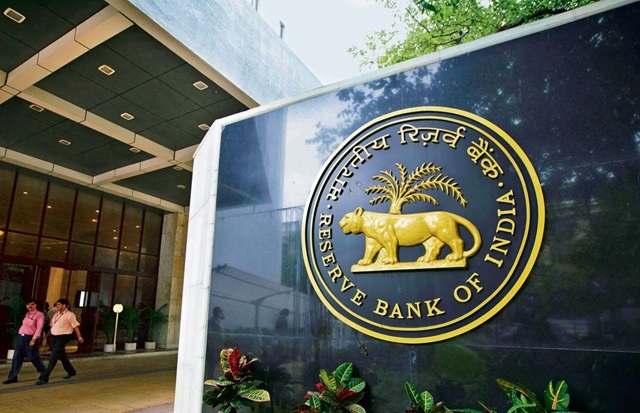
The Reserve Bank of India raised its benchmark repo rate by 25 basis points to 5.5% on Wednesday, its first increase in nearly four years, as rising inflation and strong economic growth prompted the central bank to tighten monetary policy. The six-member rate-setting panel voted unanimously for the increase, while the bank also changed its policy stance from “neutral” to “calibrated tightening”, signalling that further increases remain possible.
Governor Sanjay Malhotra, however, said the timing and extent of any additional rate rises would depend on how inflation and economic growth develop. “It is clear that the outlook for inflation is no longer benign,” Malhotra said in his policy address. He added that there was “some evidence of elevated inflation expectations and generalisation of price pressures”, indicating that the recent rise in prices was becoming broader across the economy.
India’s move comes as major central banks respond to inflationary pressure generated by higher oil prices following the Iran war. More expensive energy has increased pressure on consumer prices, reduced purchasing power and weighed on currencies, while weak monsoon rains associated with El Niño have added to price pressures in Asia’s third-largest economy. The decision had been anticipated by markets: nearly 60% of economists surveyed in a Reuters poll had expected the Reserve Bank of India, or RBI, to raise the repo rate by 25 basis points.
Financial markets reacted immediately to the decision. India’s benchmark 10-year government bond yield rose 5 basis points to 7.2655%, while the rupee was largely unchanged at around 96.36 to the dollar. The benchmark Nifty 50 share index fell 0.6% and the BSE Sensex declined 0.7%.
The RBI has raised its inflation projections alongside the interest-rate decision. It now expects inflation for the current period to reach 5.2%, compared with its previous forecast of 5%, while its estimate for core inflation has risen to 4.4% from 4.3%. Consumer inflation accelerated to 4.82% in August from a year earlier, remaining above the RBI’s medium-term target of 4% for a third consecutive month.
The pressure is no longer confined to individual categories of goods. Higher fuel and food prices are spreading through the wider economy, with nearly half of the consumer basket recording inflation above 4%. That broader increase in prices has strengthened the case for the central bank to prevent inflationary expectations from becoming entrenched, even though the latest inflation reading remains below the upper limit of the RBI’s tolerance range.
At the same time, India’s economy is continuing to expand at a pace that gives policymakers greater room to raise borrowing costs without responding to a sharp deterioration in growth. The central bank expects GDP growth in the current financial year to reach 7.1%, 40 basis points above its earlier projection. Economic activity has already exceeded the RBI’s expectations: GDP grew 7.8% in the April-June quarter, well above the central bank’s forecast of 7%.
The combination of accelerating inflation and stronger-than-expected growth marks a significant shift from the conditions that had allowed monetary policy to remain less restrictive. The repo rate, which influences borrowing costs across the economy, had not been increased for nearly four years before Wednesday’s decision. The change in policy stance suggests that the RBI is prepared to respond if price pressures continue to broaden, although Malhotra’s emphasis on actual inflation and growth outcomes leaves the scale and timing of any subsequent action open.
For consumers and businesses, higher borrowing costs could increase the expense of loans at a time when fuel and food prices are already putting pressure on household purchasing power. For financial markets, the rate increase and the RBI’s new “calibrated tightening” stance provide a clearer indication that the period of monetary easing has given way to a focus on containing inflation, while policymakers continue to assess the strength of an economy that grew 7.8% in the latest quarter.