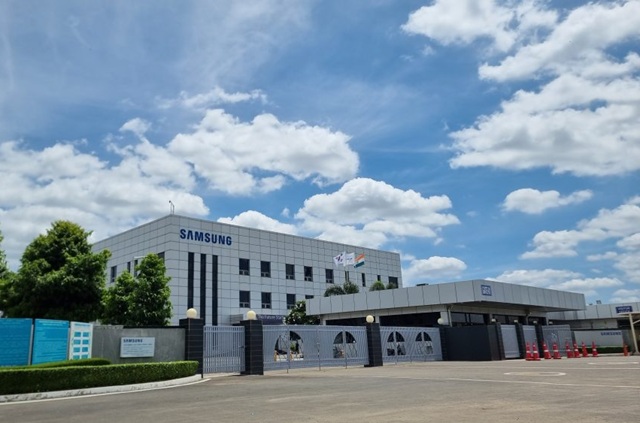
Samsung Electronics is expected to report a nearly nine-fold increase in third-quarter operating profit, as demand for artificial-intelligence infrastructure continues to drive a prolonged shortage of memory chips. Analysts nevertheless have reduced their forecasts by nearly 8% since the end of August, reflecting slower growth in memory prices and growing concern that the exceptionally high margins generated by the AI boom may have reached their peak.
The world’s largest memory-chip maker is expected to report operating profit of 106.1 trillion won ($79.1 billion) for the July-September quarter, according to the LSEG SmartEstimate based on forecasts from 21 analysts and weighted towards those with stronger track records. That would compare with 12.17 trillion won a year earlier and mark Samsung’s fourth consecutive quarter of record operating profit.
The company is due to release preliminary third-quarter results on Thursday, with detailed financial data expected in late October. The expected results reflect the strength of demand for memory used in AI infrastructure, but the downward revision in analysts’ forecasts since the end of August points to a more complicated phase of the cycle. Memory prices continued to rise during the third quarter, but at a slower pace than earlier in the year, prompting investors to scrutinise whether chip margins can continue at their current levels.
The memory shortage began more than a year ago and chipmakers expect tight supply conditions to persist into next year and potentially through 2028. The more than one-year rally in memory prices, fuelled by AI demand, has driven Samsung, SK Hynix and Micron to record profits and margins. But the moderation in prices has become an important indicator for investors assessing whether AI-related spending can sustain the extraordinary growth enjoyed by memory producers.
TrendForce expects conventional DRAM contract prices to rise by 10% to 15% in the fourth quarter from the preceding quarter, a substantial slowdown from the roughly 60% increase recorded in the second quarter. “Although the market remains in a tight supply position, the pace of price growth is expected to decelerate,” Avril Wu, its senior vice president for research, said. Suppliers are reluctant to impose further steep increases because higher chip prices are already raising costs for smartphones and consumer electronics and could weaken demand.
Long-term supply agreements are also changing the way prices are being set. Such contracts give customers guaranteed supplies while limiting the extent to which suppliers can raise prices. “In addition, long-term agreements represent an increasingly higher proportion of suppliers’ total output. With ceiling-price mechanisms built in, the rate of price increases has slowed down,” Wu said. Samsung said in July that it aimed to secure long-term contracts covering about two-thirds of its memory output, following rivals seeking greater protection from the industry’s traditional boom-and-bust cycles.
The pressure on margins is becoming clearer even as the overall market remains tight. Samsung’s memory-chip operating profit margin is expected to reach 76% in the third quarter, unchanged from the preceding quarter, according to estimates by SK Securities analyst Han Dong-hee. Micron has said the chip market could be tighter in 2027 and 2028 than this year, while forecasting that its gross margin will fall to 86.3% in the current quarter from 87%, partly because of employee compensation costs.
Samsung is also facing greater competition from Chinese producers. Those companies remain concentrated largely in lower-end memory products, but the supply shortage created by AI demand is providing an opportunity to expand their presence. “Our industry checks indicate that an increasing number of OEMs and ODMs are adopting Chinese DRAM and NAND,” Kinngai Chan, senior research analyst at Summit Insights Group, said in a report.
Currency movements are adding another pressure to Samsung’s earnings. The South Korean won strengthened 14.3% against the dollar in the third quarter, recovering sharply from 17-year lows and recording its biggest quarterly gain since early 1998. A stronger won reduces the value of overseas earnings when they are repatriated.
Samsung’s shares have fallen about 25% from a June record, although they remain more than twice their level at the beginning of the year. At the same time, the company is expected to increase sales of high-bandwidth memory, or HBM, a critical component in AI data centres, as it closes the gap with market leader SK Hynix. Samsung had fallen behind in HBM supplies after delays in qualifying products for Nvidia, but it has regained ground this year by expanding shipments.