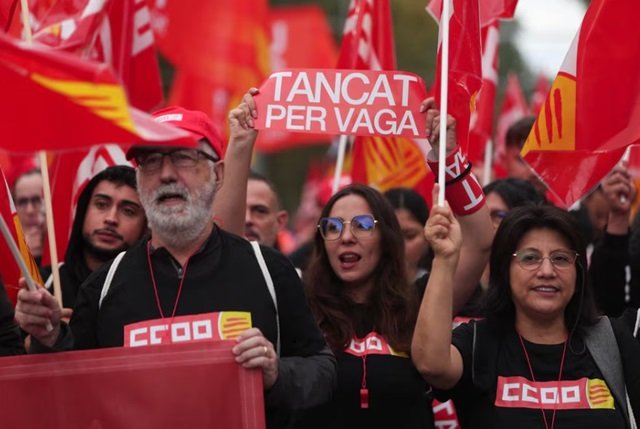
Workers across Spain staged the country’s first general strike in 14 years on Wednesday, demanding affordable housing as rising rents, mounting evictions and a severe shortage of homes fuel public anger less than three weeks before a snap general election.
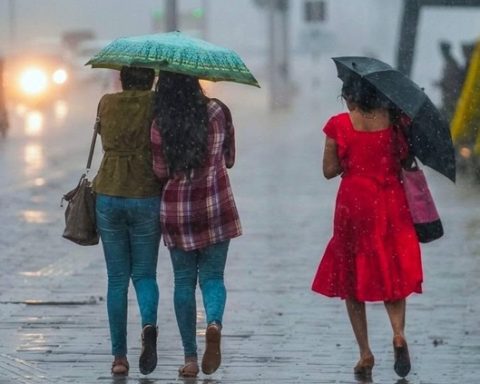
The 24-hour strike, backed by Spain’s two largest trade unions, UGT and CCOO, brought together more than a million workers, alongside tenants’ associations campaigning against rising housing costs. Despite storms and severe weather warnings across 14 regions, workers established picket lines and organised demonstrations in major cities, with unions reporting particularly strong participation in coastal areas where housing pressures have been acute.
The previous general strike took place in 2012, when workers protested against austerity measures during the euro zone debt crisis. Wednesday’s action reflected growing frustration over the cost of housing, with demonstrators demanding wages that would allow ordinary workers to secure decent accommodation.
Spain faces a housing deficit of approximately 750,000 homes, a figure expected to exceed one million by 2028, according to the country’s central bank. As home ownership becomes increasingly unaffordable, demand for rental properties has risen sharply. The average monthly rent of €1,176 ($1,315) now represents approximately 98.7% of the average monthly salary of a young person in Spain, according to the Youth Council of Spain.
“I’m 36 years old and I still can’t move out on my own,” said Jesus Gonzalez, a Madrid resident working in a hospital IT department who supported the strike. “Rents just keep going up, house prices just keep going up, and it’s simply impossible.”
The industrial impact was particularly pronounced at ports and automotive factories. UGT and CCOO reported early strike participation of 90% in both sectors, with complete stoppages at factories including Volkswagen’s plant in Navarre and SEAT’s facility in Barcelona. Participation was also reported at 85% in the meat industry, 82% in waste collection and 75% in the energy sector.
Healthcare and social services recorded lower participation of 38%, while the postal service reported 35%, according to the unions. They also reported a 10% decline in electricity demand, which they attributed to disruptions across petrochemical, steel-processing, food-processing and transport industries. Spain’s main business lobby, CEOE, said the reduction was smaller than the 14% recorded during the previous general strike.
Public transport services were also affected. Barcelona’s metro suspended services outside peak commuting hours, while Madrid’s metro operated at half its normal capacity for most of the day, increasing services to 80% during peak periods.
In Madrid, protesters dragged recycling bins into streets to obstruct traffic, while dozens attempted to prevent buses from leaving a municipal depot. In Barcelona, numerous shops remained closed and boarded up in anticipation of unrest.
The CCOO union reported that police used pepper spray against pickets at Madrid’s Mercamadrid wholesale market and arrested one protester, with 13 people requiring medical attention. A police spokesperson confirmed the arrest but did not confirm the use of pepper spray at the market, although he said the substance had been used to disperse a separate picket line in the Carabanchel district.
The strike has also intensified political pressure on Prime Minister Pedro Sanchez ahead of the November 29 election. Sanchez hopes public anger over housing affordability will shift the campaign debate away from corruption cases involving members of his inner circle and a deadly train crash last month. His Socialist Party nevertheless continues to trail the right-wing opposition in opinion polls.
The latest industrial action follows weeks of demonstrations and encampments triggered by the eviction and subsequent death of an 87-year-old woman in Madrid. Public anger also intensified after parliament rejected government decrees last month intended to curb evictions and limit rental pressures.
The government has largely blamed right-wing opposition parties governing several regions and municipalities for rising rents and inadequate housing supply. However, union leaders and protesters have also held the central government responsible for the crisis and criticised its handling of housing policy.