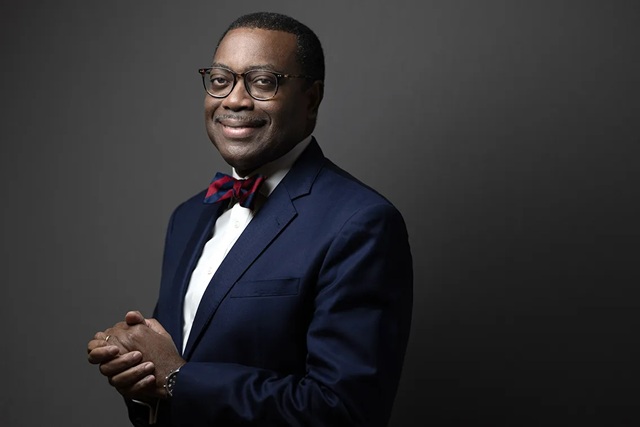
Akinwumi Adesina, the president of the African Development Bank (AfDB), has sharply criticized foreign companies for undervaluing Africa’s natural capital, particularly when it comes to the pricing of carbon credits, which he describes as “carbon grabs.” In an interview with the Financial Times, Adesina argued that African nations are receiving derisory payments for their carbon sequestration efforts, with prices significantly lower than those in other markets, like Europe.
Adesina’s comments come as the global trade of carbon credits continues to play a pivotal role in combating climate change, but he highlighted a stark disparity in the prices paid for carbon sequestration in Africa. While the cost of carbon credits in Europe can reach as high as €200 per tonne, in Africa, companies are reportedly purchasing carbon credits for as little as $3 per tonne. This low pricing, according to Adesina, is undermining the continent’s environmental efforts and is contributing to the “carbon grab,” which is increasingly displacing vital natural resources like forests and land.
Although Adesina refrained from naming specific companies, it is clear that some international firms are trading African carbon credits linked to deforestation prevention schemes. One such initiative includes cookstove programs that aim to reduce emissions by allowing consumers to cook without relying on firewood. However, many of these schemes have been questioned or even discredited, further driving down the value of the carbon credits.
In a broader discussion of Africa’s economic potential, Adesina also emphasized the need to rethink how the continent’s GDP is calculated. He argued that Africa’s natural resources, such as oil, gas, minerals, metals, biodiversity, and carbon, are not fully accounted for in current GDP measurements. If these resources were properly valued, it could unlock new opportunities for African nations to secure financing at more reasonable rates, ultimately fueling the continent’s development. “These resources run into trillions of dollars, but none of these are actually put into the computation of Africa’s GDP,” he stated.
On the topic of Africa’s energy needs, Adesina urged the continent to make full use of its hydrocarbon resources and avoid being “ideological” about renewable energy. He criticized the restrictions placed on African countries by financial institutions, which have increasingly shied away from financing gas projects. “Africa cannot be sitting on massive resources and remain poor,” he argued. He emphasized that the continent, which lacks adequate access to electricity, should not be denied the opportunity to use its gas resources to drive development.
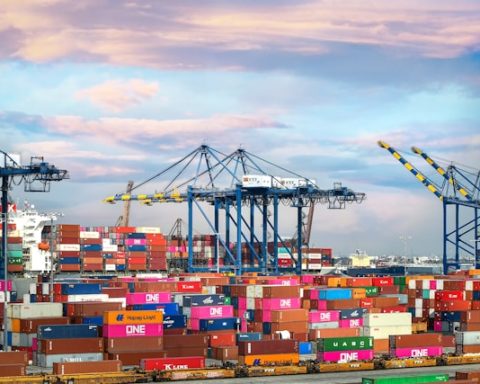
In light of changing global trade dynamics, including President Donald Trump’s tariffs, Adesina stressed that Africa must adapt to a world with more trade friction and less reliance on foreign aid. “Africa is not going to beg its way to development,” he declared, advocating instead for a focus on trade and investment. While he acknowledged the shifting aid landscape, he called on African nations to take control of their responses to these challenges, much like a pilot navigating through turbulence.
The AfDB, with access to over $300 billion in authorized capital, is poised to support infrastructure, power, agriculture, and other critical sectors across Africa. Adesina’s tenure, which will conclude in September, has been marked by a strong push for more efficient deployment of resources and a focus on sustainable investment. In line with this, Adesina has supported the creation of the African Financing Stability Mechanism, aimed at offering debt refinancing support to African governments facing debt distress.
Adesina also addressed the high levels of debt in African countries, noting that the AfDB is working to help manage these risks while also advocating for changes to the international financial system, which often overprices African risk. He supported the idea of creating an African rating agency to provide a more accurate assessment of the continent’s risk profiles, countering the methodologies used by agencies like Moody’s, S&P Global Ratings, and Fitch.
As Africa faces both new challenges and opportunities, Adesina’s comments reflect his call for a shift in how the world views and values the continent’s vast natural resources. His departure in September will mark the end of an era at the AfDB, but his legacy of advocating for greater recognition of Africa’s economic potential and natural wealth will likely continue to resonate.
The search for Adesina’s successor will be a key topic at the AfDB’s upcoming annual meeting in May, where the future direction of the bank will be discussed, alongside ongoing efforts to secure a more sustainable and equitable economic future for Africa.