Scientists have decoded the DNA of an ancient Egyptian man who lived nearly 5,000 years ago, uncovering genetic connections that suggest early ties between two of the world’s greatest ancient civilisations.
The Times UK reports that this remarkable discovery sheds new light on the relationships between ancient Egypt and Mesopotamia, two cradles of civilisation known for their pioneering architecture, writing, and government.
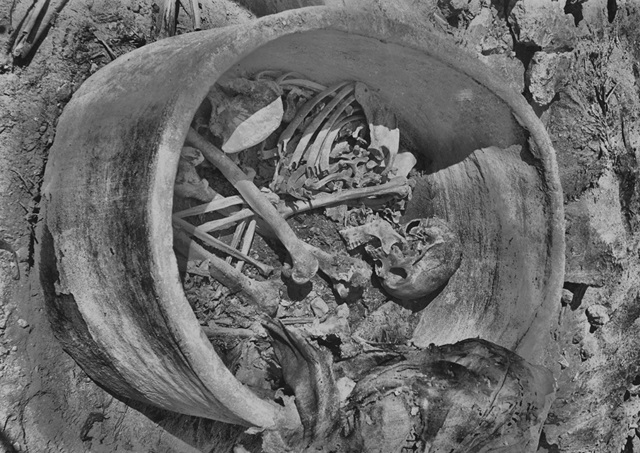
The man’s remains were found in a rock-cut tomb near Nuwayrat, around 165 miles south of Cairo. Analysis of his DNA revealed that approximately 80% of his ancestry matched other ancient North African populations, including those from present-day Morocco. Strikingly, the remaining 20% traces back to the eastern Fertile Crescent—roughly modern-day Iraq—home to the ancient Sumerian civilisation.
Pontus Skoglund of the Francis Crick Institute, a lead researcher on the study published in Nature, described the findings as “intriguing,” highlighting the possibility of gene flow between these two ancient societies. “Writing appears at about the same time in Egypt and Mesopotamia,” Skoglund said. “They build monumental structures—the pyramids and ziggurats—that reflect complex state formation. This is the first genetic evidence of mixing between them.”
The DNA was extracted from a tooth of the man, who lived during the transition from Egypt’s Early Dynastic Period to the Old Kingdom—when the pharaohs unified the state and began constructing the iconic pyramids.
Interestingly, the man was buried in a ceramic pot within a hillside tomb—an early burial method before mummification became widespread. This likely helped preserve his genetic material, which often degrades in Egypt’s hot climate.
Scientists suggest he would have resembled modern populations from North Africa and West Asia: dark-haired, brown-eyed, with olive or brown skin. Although his tomb suggests elevated status, his worn skeleton indicates a life of repetitive labour, possibly as a skilled potter.
For historians and archaeologists, the discovery opens new avenues for understanding cultural and genetic exchange in the ancient world. While trade and artistic influences between Egypt and Mesopotamia are well-documented, evidence of intermingling ancestry provides a fresh perspective on how interconnected these early civilisations may have been.
Pontus Skoglund cautions that one genome alone cannot rewrite history, stressing the need for more ancient DNA samples from Egypt’s early dynastic periods to determine how common such genetic mixing was.