Beijing has unveiled a sweeping $72 billion capital injection into four of China’s largest banks as part of a strategic effort to boost lending and stabilize the nation’s slowing economy. The move, reported by the Financial Times, underscores the government’s commitment to reinforcing its banking sector amid mounting economic challenges.
The capital infusion, involving share sales to investors, will see Bank of China, Bank of Communications, Postal Savings Bank of China, and China Construction Bank collectively raise 520 billion yuan ($72 billion). The Ministry of Finance will play a central role in these transactions, marking a rare government-led intervention aimed at strengthening core tier-one capital—an essential measure of financial stability used by regulators to control leverage.
These capital injections are the latest in a series of state-backed initiatives designed to restore confidence in China’s economy. The country continues to grapple with persistent deflation risks, sluggish consumer spending, and an ongoing property sector crisis now in its fourth year. Policymakers have adopted an increasingly urgent tone in addressing these issues, with efforts ranging from mortgage rate cuts to stock market buybacks to bolster investor sentiment.
Chinese banks are under increasing financial strain, particularly from declining net interest margins. Bank of China’s profitability fell last year, with its net interest margin slipping from 1.59% to 1.4%. Similarly, Bank of Communications saw a slight decline to 1.27%. This pressure on margins, coupled with the prolonged property sector downturn, has prompted authorities to take decisive action.
The capital boost aligns with Beijing’s broader economic objectives, including its recently set 5% GDP growth target for 2025. Additionally, policymakers have pledged to issue 500 billion yuan in special bonds to further support the banking sector. Analysts at S&P Global noted that these capital injections would help expand lending capacity, providing much-needed liquidity in key policy-driven areas of the economy.
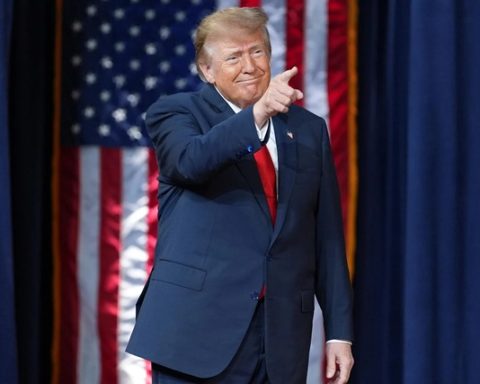
External economic pressures, such as fresh U.S. tariffs under the Trump administration, further complicate China’s recovery efforts. Tariffs on Chinese exports were raised to 20% this month, exacerbating concerns over trade competitiveness. Exports played a crucial role in driving growth last year as declining house prices weighed on domestic consumption.
While the government’s interventions have contributed to a modest rebound in equity markets—the CSI 300 index of Shanghai- and Shenzhen-listed stocks has risen by over 10% in the past year—the property sector remains a significant drag on confidence. New home prices continued to fall in February, while investment in real estate development dropped 10% year-on-year. China’s property developers, burdened with approximately 12 trillion yuan in liabilities, remain a key risk factor for financial stability.
As Beijing moves to shore up its banking sector, the effectiveness of these capital injections in stimulating growth and restoring confidence remains to be seen. However, with increasing policy support, China is signaling its determination to navigate economic turbulence and reinforce its financial institutions in the face of both domestic and external headwinds.