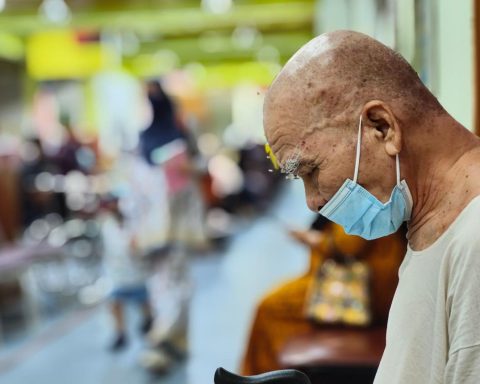
Three hours inland from Chennai, India, traffic crawls past rice fields and cow crossings until it reaches a cluster of white buildings: the cancer wing of Christian Medical College Vellore’s Ranipet Campus. By morning, a line of patients snakes from the parking lot to the entrance. Inside a basement treatment room, patients receive intravenous drips of Opdivo, a drug from Bristol Myers Squibb, or Merck’s Keytruda. In the United States, a single infusion costs at least $7,000, and a year of treatment exceeds $200,000. Here, financial constraints force patients to take as little as one-sixth of that dose. Yet, as Bloomberg reporting reveals, even these drastically reduced doses can prolong life, sparking hope for a treatment revolution that the pharmaceutical giants are aggressively blocking.
The low-dose approach is being explored across India and in hospitals in Israel, France, the Netherlands, Canada, and the U.K., and small trials in the U.S. show promising results. Patients experience fewer severe side effects, and the strategy could dramatically expand access to these drugs in poorer countries. Bloomberg’s reporting highlights how Bristol Myers Squibb refused to support Indian trials of low-dose Opdivo, forcing hospitals to rely on charitable donations. Merck eliminated smaller Keytruda vials, effectively requiring hospitals to use more than necessary and securing billions in sales. Last year, Keytruda generated $29.5 billion globally, making it the world’s best-selling drug.
Doctors attempting to challenge the status quo face fierce resistance. Bloomberg reports that in Israel, Dr. Daniel Goldstein spent two years battling Merck and opposition from some doctors and patient groups to secure approval for weight-based dosing for lung cancer patients. Merck executives reportedly ambushed him at a meeting, accusing him of promoting “unproven” treatment, despite early trials showing lower doses were equally effective. Goldstein estimates that restoring weight-based dosing could cut Keytruda’s sales by $6 to $7 billion annually.
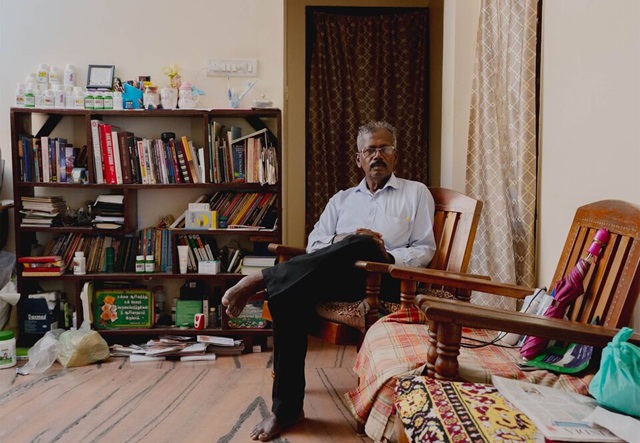
In India, hospitals like Tata Memorial Hospital in Mumbai and Christian Medical College Vellore have independently experimented with ultra-low doses of Opdivo and Keytruda, funded largely by charities. Bloomberg reporting details patients who benefited from these lower doses: seventeen-year-old PG Shrinidhi, diagnosed with advanced Hodgkin’s lymphoma, received just one-twelfth of a standard U.S. dose of Opdivo and is now in remission. Lung cancer patient Chinnappan S., earning $300 a month, could not afford full-dose treatment but responded dramatically to ultra-low doses of Keytruda and toripalimab. Doctors like Ashish Singh and Anu Korula told Bloomberg that low-dose strategies are not only effective but essential in countries where most patients cannot afford high-priced cancer drugs.
Despite mounting evidence, Bristol and Merck continue to reject proposals for formal studies of lower-dose regimens, citing concerns about efficacy. Bloomberg reports that while the U.S. FDA encourages testing different doses, it relies on drugmakers to submit supporting data, limiting independent research. The World Health Organization has acknowledged the potential of ultra-low doses, adding weight-based dosing of immunotherapy drugs like Keytruda to its list of essential medicines and citing Indian studies as indicative of the strategy’s promise. Yet, as Bloomberg highlights, the companies’ stranglehold on dosing and vial sizes continues to prioritize profits over patients’ lives. Around the world, doctors are forced to improvise, proving that smaller doses can save lives—but only against the backdrop of a pharmaceutical system more interested in revenue than recovery.