by Our Correspondent in Doha
Iran is reportedly edging closer to testing its first nuclear bomb, according to Israeli security sources. A recent 4.3 magnitude earthquake near Tabriz has sparked speculation, as seismic events of this size and depth have previously been associated with nuclear tests. While the Iranian government has yet to confirm any nuclear-related activity, these developments have raised significant concerns within the international community, particularly in Israel and the United States.
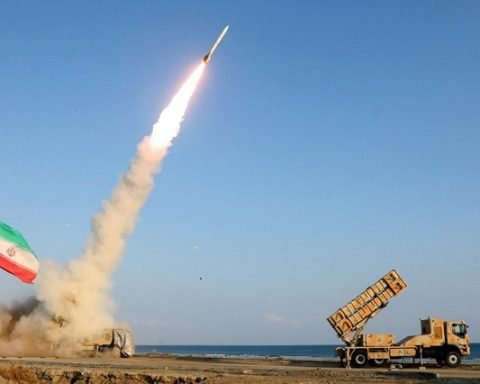
General Shaykhian, Commander of the Air Defense Unit of the IRGC Aerospace Forces, addressed the nation’s readiness in the event of conflict, highlighting plans to counter advanced fighter jets like the American F-35 and F-22. His statement stressed that Iran is prepared to defend its airspace through a combination of offensive capabilities and robust defensive measures, potentially shifting the balance of power in any confrontation.
In the broader context of nuclear weaponry, both Iran and Israel have long been subjects of international scrutiny. While Israel has never officially confirmed its nuclear arsenal, it is widely believed to possess nuclear weapons, with estimates suggesting a stockpile of around 80 to 100 warheads. Israel’s policy of nuclear ambiguity has contributed to ongoing tension in the region, as it refrains from acknowledging its nuclear capabilities in official discourse.
Iran, on the other hand, has repeatedly denied any intent to develop nuclear weapons, despite accusations from the West and Israel that it is pursuing a nuclear weapons program under the guise of civilian energy development. Iran’s nuclear ambitions have been the focus of years of diplomatic negotiations, with the 2015 Joint Comprehensive Plan of Action (JCPOA) serving as a key moment in global efforts to limit Tehran’s nuclear capabilities. However, after the U.S. withdrew from the agreement in 2018, concerns have resurfaced regarding Iran’s potential to develop a nuclear bomb.
The nuclear tension between Israel and Iran is more than a political issue; it’s a matter of deep-rooted regional insecurity. The possibility of both nations possessing nuclear weapons contributes to a precarious balance, with each side wary of the other’s intentions. The public’s awareness of these secretive weapons programs has grown over time, yet much remains untold about the precise nature of the nuclear capabilities that both Israel and Iran are allegedly developing.