As Canadians prepare to cast their ballots in the April 28 federal election, the stakes are high—but the prize awaiting the next prime minister may be more burden than blessing.
While the Liberal and Conservative parties remain locked in a neck-and-neck race, with the Liberals holding a slim lead at 43% to the Conservatives’ 41% in the latest national polls, the looming economic challenges threaten to overshadow any political victory.
A recent Bloomberg survey of nearly three dozen economists paints a bleak picture of Canada’s economic outlook. Growth projections for 2025, initially set at 1.8% by the Bank of Canada, have been sharply downgraded. Economists now anticipate a contraction of 0.2% in the second quarter, followed by stagnant growth in the third quarter—edging the country toward a technical recession.
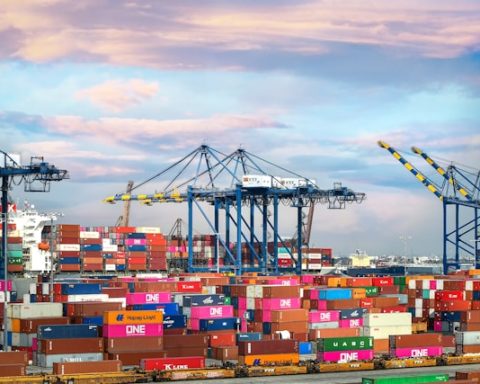
Worsening the situation is the ongoing trade war with the United States, which is expected to drag exports down by more than 12% over the next six months. Investment is also projected to decline nearly 4%, deepening the strain on the national economy.
Interim Finance Minister François-Philippe Champagne did not mince words on Thursday, warning that Canada is entering “a period of turbulence” and urging caution in the months ahead.
The political landscape remains volatile in the wake of Prime Minister Justin Trudeau’s surprise resignation in March. While national support slightly favors the Liberals, Canada’s first-past-the-post electoral system means the ultimate outcome will hinge on key battleground ridings rather than overall vote share.