China is set to more than double its energy storage capacity over the next two years as part of its broader strategy to accelerate renewable energy development. The country plans to expand battery capacity to over 180 gigawatts by 2027, unlocking an estimated 250 billion yuan ($35.1 billion) in investments, according to a new work plan jointly issued by the National Development and Reform Commission and the National Energy Administration.
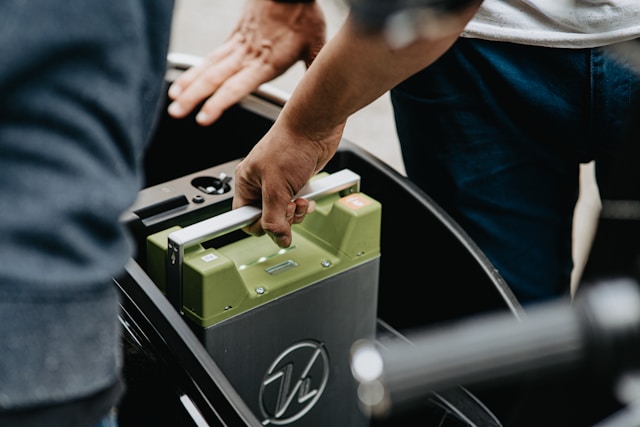
The initiative focuses on deploying advanced battery systems, referred to domestically as a “new type” of storage, to distinguish them from traditional hydro-pumped facilities. These battery systems are critical for integrating power from intermittent renewable sources such as solar and wind, helping to stabilize the grid as China ramps up its clean energy infrastructure.
China is already the world’s largest market for energy storage. As of March, it had built 76.9 gigawatts of battery storage projects, BloombergNEF data shows. The new expansion plan is expected to solidify China’s lead in this sector and support its ambition to reduce reliance on fossil fuels while enhancing energy security.
Industry experts view the move as a decisive step toward addressing the challenges posed by renewable intermittency, ensuring smoother and more reliable power delivery across the country’s vast energy grid.
With global demand for cleaner energy accelerating, China’s aggressive investment in battery storage is likely to influence global supply chains, technology development, and competition in the renewables space in the years to come.