US President Donald Trump is taking a less combative approach towards China ahead of his meeting with President Xi Jinping this week, reflecting what China experts say is Beijing’s growing leverage through its dominance of critical minerals.
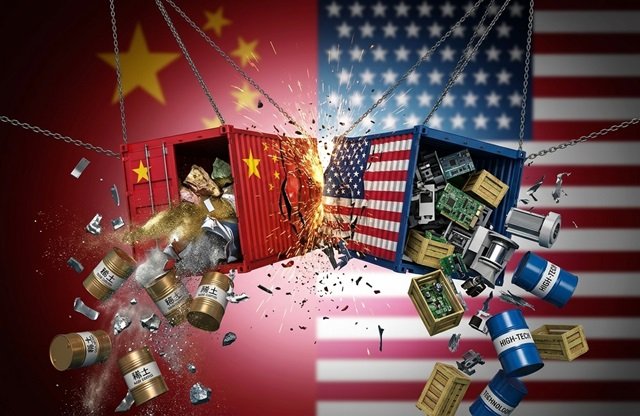
Unlike previous summits, the Trump administration has so far avoided threatening steep new tariffs on Chinese imports or banning US technology exports. Analysts attribute the restraint largely to China’s near-total control of rare earth minerals, which are essential to technology and automobile manufacturing and have become a critical pressure point in the US-China trade and technology conflict.
Last year, China responded to Trump’s tariffs by restricting rare-earth exports, causing disruptions across global markets. The episode exposed Washington’s dependence on Chinese supplies and, according to experts, placed limits on the extent to which the US could threaten Beijing without risking damaging consequences for its own industries.
“The U.S. and the Trump administration are just fundamentally in a different position with China where they can’t use that overly coercive, over-reaching approach,” said Emily Kilcrease, a former trade official now at the Center for a New American Security. She attributed the shift to the previous rare-earth export controls and their consequences.
China controls up to 70 per cent of global rare-earth mining, 85 per cent of refining capacity and about 90 per cent of rare-earth metal alloy and magnet production, according to consultancy AlixPartners. Minerals including yttrium and dysprosium are crucial to strategic industries such as automobile manufacturing, semiconductors and defence, creating a significant vulnerability in global supply chains.
Trump and Xi are scheduled to meet at the White House on Thursday, followed by a state dinner attended by senior officials and chief executives. While Washington has continued to take measures against Chinese companies, experts said recent actions have generally been less aggressive than earlier threats and were announced months before the summit.
In June, the Pentagon accused Alibaba, BYD and other companies of aiding the Chinese military. In July, Treasury Secretary Scott Bessent threatened sanctions against Chinese artificial intelligence companies accused of copying US AI models. The US also banned imports from 43 Chinese companies over alleged human rights abuses and imposed restrictions on imports of new foreign robots and power inverters.
“They’re keeping the boil low enough that China won’t take really severe retaliatory action,” said Peter Harrell, a former White House official under President Joe Biden. He said the Trump administration now “feels vulnerable to Chinese coercion” and is seeking “stability and secure access to critical minerals”.
The two countries remain locked in negotiations over extending the 2025 Busan trade agreement, even as they report progress on a narrower tariff-reduced trade mechanism. US Trade Representative Jamieson Greer said China was creating “uncertainty” over the extension by continuing to limit strategic mineral exports to the United States.
China’s rare-earth magnet shipments to the US fell 13 per cent year on year to 512 tonnes in August, despite Beijing resuming some export approvals following trade negotiations.
The Busan agreement, reached in October, helped avert a wider crisis after Trump’s “Liberation Day” tariffs. Beijing responded with sweeping restrictions on seven rare earths, causing supply disruptions and temporary factory shutdowns. The agreement subsequently lowered US tariffs on some Chinese goods, suspended additional restrictions on Chinese-affiliated companies, paused certain Chinese rare-earth export controls for a year and secured Chinese commitments involving US soybeans and fentanyl precursors.
The agreement expires on November 10. Greer said Washington favoured an extension of three to six months, while Beijing would prefer an arrangement lasting through the end of Trump’s presidency. Analysts expect this week’s summit to focus largely on consolidating existing agreements and managing outstanding disputes rather than producing major new breakthroughs.
Meanwhile, both sides are developing a tariff-reduced trade mechanism covering non-sensitive goods, with trade capped at US$30 billion for each side. Greer said the proposed lists could include consumer goods and low-tech products from China, alongside energy products, agricultural goods and potentially medical devices from the US.
The negotiations highlight the central role of critical minerals in the wider US-China relationship, as both governments seek to manage trade tensions while avoiding another confrontation over supplies that have already demonstrated their ability to disrupt industries far beyond the two countries.