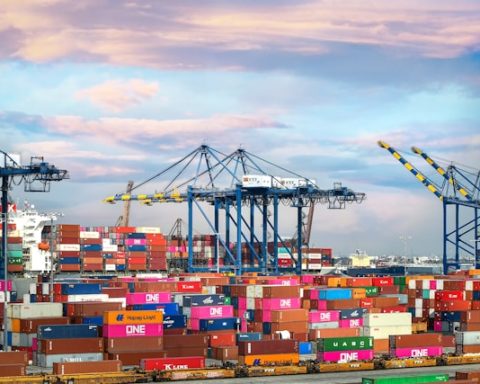
China’s surging trade dominance, underpinned by a record-breaking $1 trillion trade surplus, has intensified global economic tensions and played a pivotal role in reigniting former U.S. President Donald Trump’s tariff war, Financial Times reports.
As the world’s foremost trading powerhouse, China now exports significantly more than it imports across a vast array of goods — from lithium-ion batteries to steel, electronics, pharmaceuticals, and even wigs. This growing imbalance, according to analysis from Financial Times correspondents in Beijing, Guangzhou, Shanghai, and London, has not only strained U.S.–China relations but triggered concern across both developed and emerging markets.
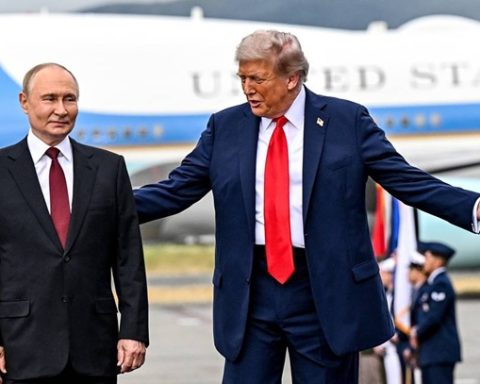
The fallout from this unprecedented surplus has been global. Trump’s sweeping new tariffs — including a 10% “reciprocal” levy on all trading partners and punitive rates exceeding 100% on Chinese imports — aim to rebalance America’s trade deficit. But FT warns that these aggressive moves could send shockwaves far beyond Washington.
“China’s trade juggernaut is built on deep competitive advantages built up over decades,” the Financial Times reports, citing its comprehensive state support, cheap labor, and near-total control of global supply chains in critical industries like batteries and clean energy. For example, CATL, the world’s largest battery maker, has vertically integrated operations and builds factories at half the cost of its foreign competitors.
Even emerging economies such as Vietnam, Indonesia, and Mexico — once seen as alternative suppliers to China — are now feeling the pressure. Many of them rely on Chinese components to assemble products exported to the U.S., effectively routing Chinese goods indirectly into American markets.
According to FT, this “musical chairs” phenomenon has led to new U.S. tariffs targeting Southeast Asian nations, in an effort to prevent circumvention of restrictions on Chinese products. Still, analysts like Brad Setser and Hui Shan of Goldman Sachs suggest that tariffs alone may be insufficient, given the depth of China’s integration into global manufacturing.
Beijing’s dominance also reflects its strategic investments in raw materials across continents. From cobalt mines in the Democratic Republic of Congo to lithium reserves in Australia and Argentina, Chinese companies — many state-backed — have secured critical inputs, further locking in supply chain advantages.
Despite these developments, Chinese officials have downplayed concerns about overproduction. However, mounting trade complaints from around the globe, including India, Brazil, and even China’s close ally Russia, suggest rising dissatisfaction. Leaders like Mexico’s President Claudia Sheinbaum have openly blamed cheap Chinese imports for devastating local industries, such as textiles and footwear.
Economists cited by Financial Times argue that China’s imbalance is not just problematic for its trading partners but also for its own economy. A reliance on exports over domestic consumption, combined with a prolonged economic slowdown, has created structural weaknesses that could hinder future growth. Some experts believe China may eventually be forced to devalue its currency or inject fiscal stimulus to correct course.
Still, many remain skeptical about a near-term reversal in China’s fortunes. As Financial Times notes, China commands over half of global exports in 730 product categories — a figure three times that of the European Union and eight times that of the U.S. Its unparalleled scale, low costs, and innovation-driven production model mean its grip on global trade remains firm.
For multinational corporations with major production footprints in China — including Apple, Nike, and Tesla — Trump’s latest tariffs pose new dilemmas. The risk of losing tariff exemptions for their Chinese-made goods could result in cost spikes and supply chain disruptions.