Leading Chinese pharmaceutical companies are facing growing difficulties recruiting internationally experienced professionals as they expand into overseas markets, with industry executives warning that shortages of specialized talent are becoming a major obstacle to global drug development and commercialization.
Executives from Jiangsu Hengrui Pharmaceuticals and CanSino Biologics said the industry lacks sufficient professionals with expertise in international clinical development, regulatory affairs and cross-border management. The shortage comes as China’s pharmaceutical sector rapidly strengthens its position in developing innovative medicines while seeking to expand beyond its domestic market.
According to data from healthcare research firm IQVIA, China-headquartered clinical trial sponsors conducted 88 percent of their clinical trials exclusively within China in 2025. By comparison, only 5 percent of their trials were conducted in the United States during the same period. The figures highlight the industry’s limited international clinical footprint at a time when US regulators have declined to approve some drugs tested only in China and have emphasized the importance of multi-regional clinical trials that better represent US patients and clinical practice.
Sun Piaoyang, chairman of Jiangsu Hengrui Pharmaceuticals, said the company’s efforts to conduct global multi-center clinical trials, obtain overseas regulatory approvals and commercialize medicines internationally require more highly qualified professionals. He told Reuters that the shortage of personnel with experience in global drug development, international regulatory systems and cross-cultural management is a challenge shared across China’s biopharmaceutical industry.
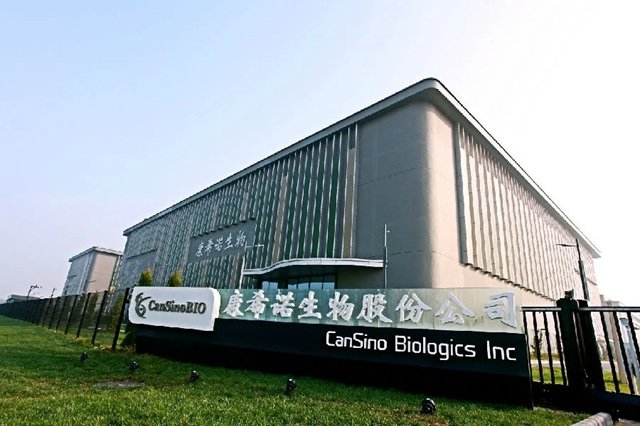
CanSino Biologics Chief Executive Officer Yu Xuefeng also said specialists with expertise in overseas clinical trials, regulatory submissions across multiple jurisdictions and international marketing remain in short supply. Yu told Reuters that China has historically had limited experience taking innovative pharmaceutical products to global markets, including organizing multinational clinical trials.
Industry experts said competition for experienced drug development professionals exists worldwide but is particularly acute in China because of the sector’s rapid growth. A recent survey by research organization ICON found biotechnology professionals in the Asia-Pacific region were nearly three times more likely than their global counterparts to report talent shortages affecting operations.
Zhong Yao, general manager of ICON’s China business, said India has benefited from its established outsourcing industry while Japan has drawn on its mature pharmaceutical sector. He said China’s rapid expansion has created more intense recruitment pressure as companies compete for experienced international talent.
IQVIA data shows China-based clinical trial sponsors accounted for 32 percent of all global clinical trials in 2025, compared with just 2 percent in 2009. At the same time, demand for new medicines has accelerated as patents expire on major pharmaceutical products overseas. According to data provider Pharmcube, licensing agreements involving partners in the greater China region increased to approximately $138 billion in 2025 from $318 million in 2016.
Catherine Gregor, chief clinical trial officer at US software company Florence Healthcare, said China faces bottlenecks in global commercialization without greater access to internationally trained senior professionals. Sun said Hengrui plans to strengthen internal training and increase recruitment of global talent but noted that professionals with international experience are in high demand worldwide, increasing hiring costs.
Some companies are expanding their international capabilities directly. Shanghai Henlius Biotech said in its latest annual report that it has established in-house clinical and regulatory affairs teams in the United States, Europe, Japan and Australia to independently manage clinical trials.
Chinese drugmakers are increasingly pursuing overseas expansion as regulators seek clinical evidence from more diverse patient populations. Former US Food and Drug Administration drug evaluation chief Richard Pazdur told Reuters that multi-regional clinical trials enable regulators to compare results across countries and determine whether differences in efficacy or safety are related to data quality, patient characteristics or variations in medical practice. Japan’s Pharmaceuticals and Medical Devices Agency also told Reuters that most new drugs approved in Japan require clinical data from Japanese patients rather than relying solely on studies conducted in Chinese populations.
Recruitment specialists said the talent shortage is forcing some Chinese pharmaceutical companies to depend more heavily on overseas partners when conducting international clinical trials. Nihar Parikh, a pharmaceutical executive recruiter at Smith Hanley Associates, said the shortage has created slower execution and greater reliance on partners rather than causing major failures in overseas expansion. James Nyssen, global head of life sciences at recruitment firm Hays, said companies that clearly communicate their scientific goals, decision-making processes and long-term international strategies remain well positioned to compete for experienced professionals, while firms with less defined strategies face longer recruitment processes.