


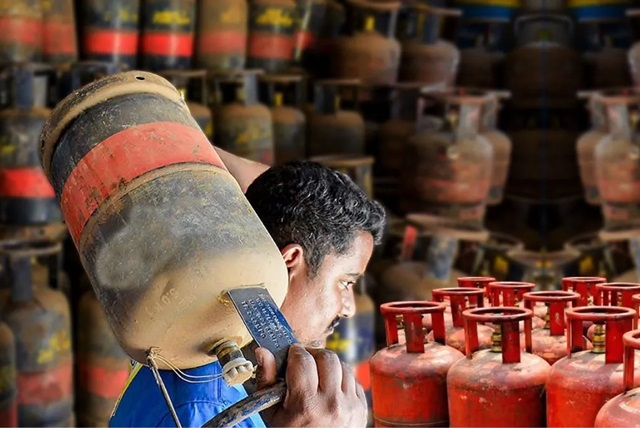
Hoteliers from Bengaluru, Mumbai, Delhi-NCR, Hyderabad, Kerala, West Bengal, Rajasthan, Gujarat, and Odisha have reported severe shortages of commercial LPG cylinders, which are essential for daily kitchen operations. Associations such as the National Restaurant Association of India (NRAI), Indian Hotel and Restaurant Association (AHAR), Bengaluru Hotels Association, Chennai Hotels Association, and the Hotel & Restaurant Association of Odisha (HRAO) have warned that if the supply is not restored promptly, many establishments could face catastrophic closures. In Bengaluru, numerous small eateries have curtailed services to offering only tea and coffee after dealers reported that no commercial cylinders have been refilled since March 7. About 10–15% of outlets with piped gas continue operations, but the majority are heavily affected.
In Mumbai, around 20% of hotels and restaurants have already shut down, and projections suggest nearly half may be forced to close within days if deliveries are not resumed. Small restaurants in Delhi-NCR, lacking sufficient backup cylinders, have resorted to buying from the black market, where prices have surged from ₹1,200 to ₹1,500 per cylinder within days, adding to already rising food costs. Restaurateur Zorawar Kalra, who operates chains such as Farzi Café and Pa Pa Ya, emphasized to The Hindu that commercial LPG is the “backbone of kitchen operations across India,” and disruptions threaten the continuity of food services for millions. He added that a single day’s lack of supply could cost the economy ₹1,200–1,300 crore, given that 75% of the hospitality ecosystem relies on LPG.
State authorities have responded with letters to the Union Ministry of Petroleum and Natural Gas, rationing measures, and monitoring of supplies. Karnataka Chief Minister Siddaramaiah suggested the shortage resulted from the Ministry’s March 9 order prioritizing domestic LPG production, inadvertently reducing commercial supply. Tamil Nadu Chief Minister M.K. Stalin and Madhya Pradesh Chief Minister Mohan Yadav have also written to the Prime Minister and state officials, urging alternative arrangements and monitoring. Gujarat has limited industrial gas supply by 40–50% to preserve domestic cylinders, while Andhra Pradesh and Kerala are coordinating closely with oil companies to ensure critical institutions such as hospitals receive priority.
The impact extends beyond restaurants. In Hyderabad, paying guest accommodations and hostels report a 75% drop in LPG deliveries, jeopardizing meal preparation for residents. In Kerala, catering businesses are already rationing cylinders due to high demand and Ramadan fasting. In West Bengal, restaurants in Kolkata are running low, while autorickshaw drivers face reduced CNG availability. In Rajasthan, with the wedding season at its peak, hotels and food vendors fear severe losses. The Madhya Pradesh government has formed a committee to monitor the supply of essential items, including cooking gas, while Odisha’s HRAO has formally urged immediate restoration of commercial LPG supplies.
The Ministry of Petroleum and Natural Gas has set up a committee of executive directors from oil marketing companies to review the situation and issued directives to maximize domestic LPG output while extending refill booking cycles. Prices of non-subsidized domestic cylinders were increased by ₹60, and commercial cylinders by ₹114.5 per 19 kg, adding financial strain to already stressed businesses.
Speaking to The Hindu, Shahul Hameed, general secretary of the All Kerala Caterers’ Association, said, “We need around seven cylinders per day to run our operations, but in the last two days, we have received only two. How can a caterer survive under these conditions?” Industry experts warn that continued disruptions could cost billions and risk widespread closures, highlighting the vulnerability of India’s ₹6.6-lakh-crore hospitality sector.










