


A high-profile visit by senior members of Taiwan’s Chinese Nationalist Party (KMT) to mainland China is drawing scrutiny for what analysts see as a carefully orchestrated political signal from Beijing, one that could reshape perceptions of cross-strait relations and Taiwan’s domestic political trajectory. According to reporting and analysis published by the Taipei Times, the timing, messaging, and potential outcomes of the trip suggest a broader strategy by China to influence both Taiwanese politics and international discourse.
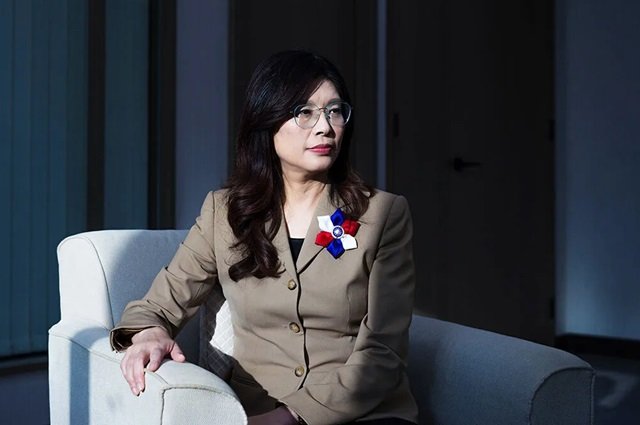
A delegation led by KMT Chairwoman Cheng Li-wun is scheduled to embark on a six-day visit to Jiangsu, Shanghai, and Beijing, with speculation mounting that she could meet Chinese President Xi Jinping. The visit, announced by China’s state-run Xinhua news agency, cited statements from Song Tao, director of China’s Taiwan Affairs Office, who emphasized that the invitation came after repeated expressions of interest from Cheng herself.
While such exchanges are not unprecedented, the timing of the announcement has raised eyebrows. On the same day the trip was made public, a bipartisan group of US senators arrived in Taiwan to demonstrate support for a proposed eight-year defense budget totaling NT$1.25 trillion. The budget, aimed at strengthening Taiwan’s military capabilities in the face of growing pressure from China, has faced resistance from opposition lawmakers, including members of the KMT.
The Taipei Times notes that the convergence of these developments appears far from coincidental. The announcement of Cheng’s visit came shortly after the US delegation’s arrival and the publication of a high-profile interview with Taichung Mayor Lu Shiow-yen, a prominent KMT figure often viewed as a potential presidential candidate in 2028. In the interview, Lu expressed support for increased defense spending and emphasized the importance of strengthening Taiwan’s military preparedness, even suggesting that the legislature should expedite arms procurement.
Lu’s stance reflects a more pragmatic wing within the KMT, one that seeks to balance relations with both China and the United States. Her comments contrast sharply with the positions associated with Cheng and other party leaders, who have been criticized for appearing more aligned with Beijing’s narrative and skeptical of closer defense ties with Washington. This internal divergence underscores a broader struggle within the KMT over its future direction and electoral strategy.
The Taipei Times analysis suggests that Beijing’s move is a calculated effort to exploit these divisions. By extending a high-level invitation to Cheng and potentially facilitating a meeting with Xi, China is signaling its preference for political actors in Taiwan who are more receptive to its agenda. At the same time, it sends a message to the Taiwanese public that engagement with Beijing could offer an alternative path to stability, contrasting with the risks associated with military buildup and reliance on US support.
This dual messaging appears aimed not only at Taiwan but also at the international community. By highlighting direct interactions with Taiwanese opposition leaders, Beijing reinforces its longstanding position that cross-strait relations are a domestic matter rather than an international concern. Such framing could complicate efforts by Taiwan and its allies to rally global support against Chinese pressure.
Moreover, the visit could have implications beyond Taiwan. With a potential meeting between Xi Jinping and US President Donald Trump on the horizon, Beijing may seek to leverage the optics of cross-strait engagement to argue for reduced US involvement in Taiwan in exchange for broader economic or strategic concessions. The perception of diminishing unity within Taiwan regarding its defense posture could weaken its negotiating position on the global stage.
Critics argue that Cheng’s participation in the visit risks lending credibility to Beijing’s narrative while undermining Taiwan’s efforts to maintain a unified front. Her recent remarks, including assertions that the international community broadly adheres to a “one China” policy and does not support Taiwanese independence, have further fueled concerns about the implications of her engagement with Chinese leadership.
The Taipei Times editorial suggests several possible interpretations of Cheng’s actions. She may have underestimated the political ramifications of the visit or overestimated her ability to influence cross-strait dynamics through dialogue. Alternatively, she could be seeking to position herself and her party advantageously within China’s broader “united front” strategy, potentially at the expense of Taiwan’s national interests.
Regardless of the motivation, the episode highlights the complex interplay between domestic politics and international strategy in Taiwan. The KMT’s handling of key issues, including defense spending and relations with major powers, will likely play a critical role in upcoming elections and in shaping the island’s future trajectory.










