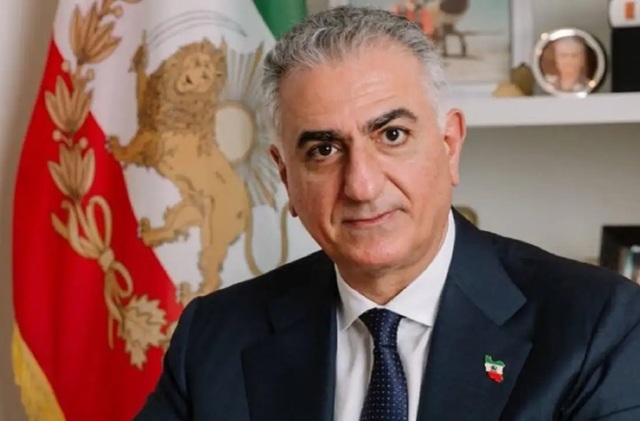
As tensions escalate in the Middle East, one unlikely figure has emerged to ride the wave of crisis: Reza Pahlavi, the self-proclaimed “crown prince of Iran.” From his comfortable perch in suburban Washington, D.C., Pahlavi is calling for a “nationwide uprising” in Iran, proposing a 100-day “transitional period” that would supposedly usher in a new “democratic” era. But his vision is anything but homegrown. With open arms from Israeli officials and a long-standing courtship with Western powers, Pahlavi looks less like a savior of the Iranian people and more like a relic of foreign-backed regime change.
Pahlavi, 64, is the eldest son of Mohammad Reza Pahlavi, the Shah of Iran who was famously installed through a CIA and MI6-orchestrated coup in 1953. That coup overthrew Iran’s democratically elected Prime Minister Mohammad Mosaddegh, whose sin was nationalizing Iran’s oil industry—threatening Western profits. The Shah’s regime, propped up by foreign intelligence and soaked in corruption, was finally toppled by the 1979 Islamic Revolution, ending decades of monarchy. Reza Pahlavi, then a military trainee in the U.S., never returned.
The exiled prince has since lived a life far removed from Iran’s realities. Reportedly worth between $200 million and $1 billion, Pahlavi is a symbol of privilege and detachment. Accusations swirl that his family smuggled tens of billions abroad before their fall from power. Today, he lives in a gated compound outside Washington with his wife and three daughters—none of whom have ever set foot in Iran. His only job appears to be part-time “activism” and serving as a convenient figurehead for foreign powers eager to see regime change in Tehran.
His ties with Israel are especially conspicuous. In 2023, he made a publicized visit to the country, receiving a warm welcome from Prime Minister Benjamin Netanyahu and Israeli intelligence minister Gila Gamliel. Pahlavi has also made the rounds with U.S. officials and think tanks, maintaining just enough plausible deniability to deny CIA involvement—while simultaneously telling the Associated Press in 2017 that he would work with “anyone who is willing to give us a hand, whether it is the US or the Saudis or the Israelis or whomever it is.”
Even among Iran’s fragmented opposition, support for Pahlavi is lukewarm at best. Outside of a small base of Shah nostalgists—many of whom view pre-revolution Iran through rose-colored lenses—he is largely dismissed as irrelevant. Detractors mock him as the “clown prince,” a hollow symbol of Western interventionism who only reinforces the Islamic Republic’s warnings about foreign plots. His sudden reappearance whenever tensions rise seems less like leadership and more like opportunism.
To the Iranian youth, many of whom weren’t even alive during the Shah’s reign, Reza Pahlavi represents a past they never experienced and have little desire to revive. If anything, his media tours and proximity to foreign intelligence serve as a reminder of what the current regime warns against: a foreign-backed return to monarchy dressed up as democracy. In this light, Reza Pahlavi is less a beacon of freedom and more a convenient puppet waiting in the wings.