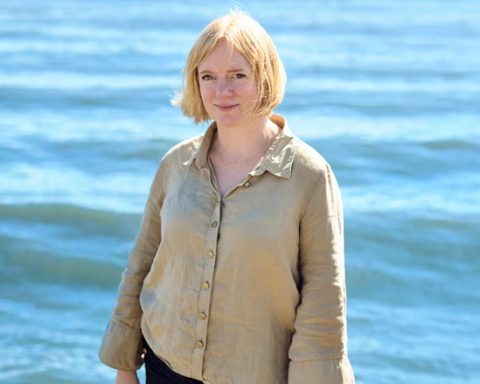
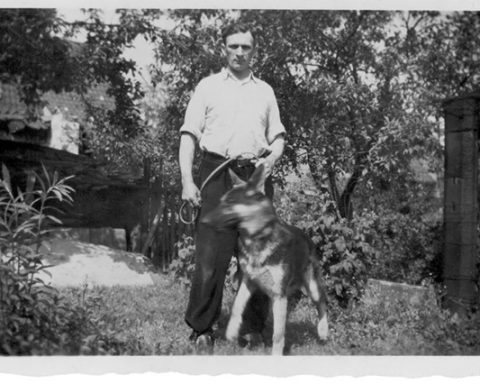
At a casino party in Mississippi, Rob Granieri twirled on the dance floor in a shiny jacket, his long hair spilling from beneath a fedora. To guests at the Scarlet Pearl — his resort on Biloxi Bay — the eccentric billionaire might have looked like just another reveler. But behind the glimmer, Granieri is the last co-founder standing at Jane Street, the secretive trading powerhouse that has quietly become one of the most profitable firms on Wall Street.
As Bloomberg reports, Jane Street raked in $10.1 billion in trading revenue in the second quarter alone, with first-half profits nearing $17 billion — almost matching its record haul in 2024. The scale has drawn global scrutiny, and with it, unwanted attention for Granieri, a libertarian-leaning introvert who has carefully guarded his anonymity for decades.
Even inside Jane Street, where he officially holds no title, Granieri often slips by unnoticed. His profile in the employee directory famously has no headshot. “I wouldn’t recognize him walking down a street,” said Paul Rowady of Alphacution, a research firm that studies market makers. “Influence and anonymity is a very rare combination.”
That veil is slipping. Jane Street is now grappling with legal battles, including a lawsuit against two traders accused of stealing strategies, which in turn triggered a regulatory probe in India. The firm has vowed to fight allegations that it manipulated options markets there. Meanwhile, Granieri himself was embarrassed after being duped into bankrolling what prosecutors later described as a plot to arm a coup attempt in South Sudan.
Granieri, 53, has long cut against Wall Street’s image of excess. He has preferred rentals to trophy homes, avoids luxury trappings, and is more likely to be found at Burning Man than at a Hampton’s gala. Yet his wealth is immense. Jane Street, which he co-founded in 1999 with Mike Jenkins and Tim Reynolds after a stint at Susquehanna International Group, has grown into a quant-trading behemoth handling more than 90,000 products across 240 exchanges. By 2024, it was responsible for nearly a quarter of all ETF trading in the US.
The billionaire’s personal ventures have been less smooth. At the Scarlet Pearl, he once clashed with a former nun he accused of lavish mismanagement, and he nearly lost millions when the casino took an enormous bet from Houston furniture mogul Jim “Mattress Mack” McIngvale on the World Series. (The casino ultimately prevailed when the Nationals beat the Astros.)
Despite his taste for anonymity, Granieri has been a generous — if discreet — philanthropist, funding causes ranging from psychedelic research to efforts against mass incarceration. Chess champion Garry Kasparov called him “probably the most generous donor for causes of freedom in the world.”
But as Jane Street’s profits soar and regulators circle, Granieri is finding it harder to remain invisible. What began as a firm built by engineers and traders betting on obscure price mismatches has become one of Wall Street’s most closely watched players.
For Granieri, who once joked he’d rather dine at Le Bernardin every night than cook at home, the irony is sharp: the billionaire who spent his career avoiding the limelight may now have no choice but to live in it.