


The pickup truck rattled across jungle terrain toward gates topped with barbed wire, where masked men carrying automatic rifles checked names against a list before radioing for confirmation. According to reporting by The Times UK, this is what it now takes to enter a legal gold mine in Ecuador, a country once considered one of the safest in Latin America and now ranked among its most violent.
The transformation has been driven by narco gangs that built their fortunes trafficking cocaine from Colombia through Ecuador’s Pacific coast toward markets in Europe and North America, a corridor now known as the cocaine superhighway, through which more than 70 percent of the world’s cocaine reportedly passes each year. According to the report, those same gangs are now pouring into gold mining, seizing legal operations through threats and extortion, or carving illegal sites into mountainsides that stretch for miles, destroying forests and rivers as they search for fragments of gold in the mud.
Luis, head of security at one licensed mine, told The Times that in these mountains it is criminal groups, not the state, that hold power. He had refused to pay bribes or cooperate with the gangs. Weeks after speaking to reporters, he was ambushed and shot five times. He survived.
The shift toward gold has roots in the economics of the cocaine trade itself. The report cites United Nations data showing more than 25 million people used cocaine in 2023, prompting producers in Colombia and Peru to ramp up output. Global cocaine seizures rose 68 percent between 2019 and 2023, creating a glut that, according to the UN Office on Drugs and Crime figures cited by The Times, pushed European cocaine prices down from $52,000 to $16,000 per kilo between 2014 and 2025. Over the same period, the report notes, gold prices nearly quadrupled. Criminal groups that once used gold mining merely to launder cocaine proceeds came to realize, according to the reporting, that mining itself had become the more lucrative and stable business.
Julia Yansura, programme director at the FACT Coalition, which works to combat illicit finance, told The Times that gold’s apparent legality makes it difficult for authorities to prove illegal sourcing, calling it a low-risk, high-reward illicit economy. Ecuador is officially classified as a mid-tier gold exporter, with roughly $2 billion in exports in 2024, but officials estimate illegal production accounts for more than 77 percent of total output, among the largest shares in Latin America. The newspaper El Universo has estimated that Los Choneros, one of the country’s most powerful gangs, earns over $1 million a month from gold alone. Marcena Hunter of the Global Initiative Against Transnational Organised Crime told The Times that the trade is profitable in its own right, in addition to functioning as money laundering.
The violence accompanying this shift has been severe. President Daniel Noboa declared a state of internal armed conflict after a gang boss escaped prison in Guayaquil in January 2024, triggering car bombings and an on-air television takeover by armed gang members. Noboa has said criminal groups move more than $30 billion in drugs, weapons and other illicit goods through Ecuador annually, equivalent to roughly a quarter of the country’s GDP. In a Guayaquil cemetery, where the report says two to three people are murdered daily amid drug-related violence, a man named Diego described how gangs threaten miners with a version of Pablo Escobar’s old ultimatum, plata o plomo, the money or the bullet, to force cooperation. Diego also told The Times that the Italian mafia group ‘Ndrangheta and Albanian organized crime networks have established operations along Ecuador’s coast as part of the same drug pipeline.
The ecological toll extends deep into the Amazon. In Napo province, reporters travelled with a local mining ombudsman, Oscar, into protected indigenous territory overtaken by illegal excavation, where mercury used to separate gold has poisoned waterways, turning clear river water murky at the point where contaminated and clean water meet. Oscar told The Times that the resulting heavy-metal contamination causes catastrophic illness, including cancer linked to mercury exposure. Community leader Linda Germania Tapuy Papa described the deaths of an 18-month-old boy and a young woman in her village from chemical runoff, recalling that the nearby river had run clear before miners arrived. She and other residents armed themselves with sharpened sticks to keep gangs from entering their village outright, though pollution from mining upstream continued to reach them regardless.
Once extracted, the gold’s origins are easily obscured. The Times reports that Ecuador exported much of its gold last year to Switzerland, India, the United States and the UAE, from where it can reach retailers in the UK, often smuggled out in suitcases, crude jewellery, or as semi-processed concentrate. Yansura told the paper that countries purchasing this gold or laundering its proceeds bear some responsibility for sustaining the trade, describing it as the price paid for unregulated gold flows into Western markets.
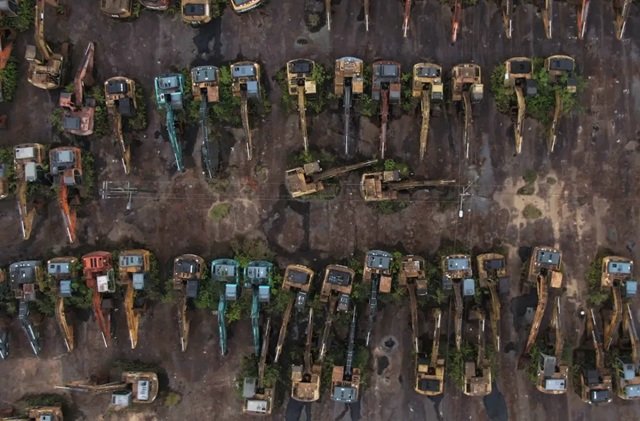
Ecuadorian authorities have struggled to respond effectively. Confiscated mining equipment has reportedly been replaced within weeks by gangs buying new machinery, and a subsequent mining ban in Napo continued to be ignored, according to local activists cited in the report. Colonel Miguel Iturralde, commander of the 19th jungle brigade, lost 11 soldiers in a single operation against the groups last year, describing the loss as deepening his unit’s commitment to the mission. Pablo Izurieta, then head of Ecuador’s mining regulator Arcom, told The Times that rising gold prices and the ease of resale made the trade attractive to criminal groups, and acknowledged the agency had removed officials suspected of failing to enforce oversight. Weeks later, he resigned amid corruption allegations within his own department, which he denies.









