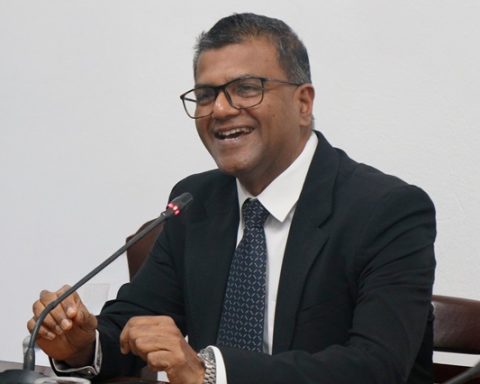
Sri Lanka’s public transport safety has come under sharp scrutiny after random drug tests conducted at a major bus terminal in Colombo revealed that a significant number of drivers were operating vehicles under the influence of narcotics. Deputy Minister of Transport and Highways Dr. Prasanna Gunasena disclosed that 10 out of 56 drivers tested at the Bastion Mawatha bus stand were found to have used illegal drugs, prompting immediate concern among authorities and commuters alike.
According to the Deputy Minister, initial urine tests confirmed the presence of substances including methamphetamine, commonly known as ice, as well as heroin and cannabis. The tests were carried out as part of a state-funded monitoring programme aimed at improving road safety and reducing accidents linked to impaired driving. Legal action is expected to be taken against the drivers who tested positive, in line with existing transport and criminal laws.
Dr. Gunasena described the findings as deeply troubling, particularly given that the programme is financed through public funds and intended to protect passengers. He said the results highlight a serious breach of public trust and underscore the risks faced daily by thousands of commuters who rely on buses as their primary mode of transport.
The Deputy Minister stressed that responsibility for preventing such incidents does not rest solely with the authorities. He called on bus owners to play a more active role in monitoring their drivers and ensuring that those entrusted with public safety adhere to professional and legal standards. He also emphasised the role of passengers, noting that the public has the right to report drivers suspected of being under the influence of alcohol or drugs.
The revelations have reignited broader concerns about enforcement, oversight and safety culture within Sri Lanka’s public transport sector. Road safety advocates say the incident reflects systemic weaknesses that require sustained monitoring, stricter penalties and stronger cooperation between regulators, operators and the public to prevent potentially fatal consequences on the country’s roads.
As Sri Lanka continues efforts to modernise its transport infrastructure and improve service standards, officials say addressing drug use among drivers will be critical to restoring public confidence and ensuring that public transport remains a safe and reliable option for millions of daily commuters.