Europe’s roads, bridges, and railways are dangerously unprepared for the rapid movement of military forces in the event of a conflict with Russia, the EU’s transport commissioner has warned in a candid interview with the Financial Times.
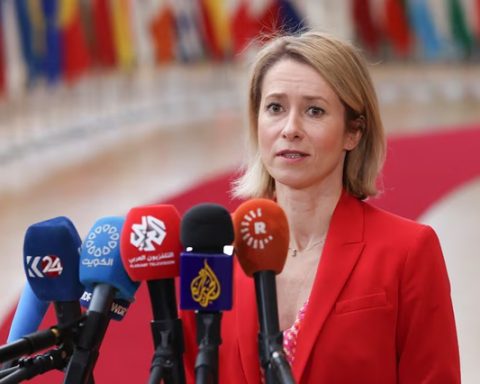
Apostolos Tzitzikostas, who recently assumed the role of European Commissioner for Transport, sounded the alarm over the continent’s crumbling and outdated infrastructure, warning that it poses a critical threat to European security. “We have old bridges that need to be upgraded. We have narrow bridges that need to be widened. And we have nonexistent bridges to be built,” he told the Financial Times.
According to Tzitzikostas, if NATO forces were called to respond to a Russian incursion along the EU’s eastern flank, military vehicles could be delayed or immobilized by collapsing bridges, inadequate tunnels, and outdated customs protocols. “The reality today is that if we want to move military equipment and troops from the western side of Europe to the eastern side, it takes weeks and in some cases months,” he warned.
The EU is now preparing a €17 billion plan to overhaul transport infrastructure across the continent to improve military mobility. The initiative, which aligns with broader war-preparedness efforts across Europe, includes the modernization of 500 critical infrastructure projects along four major military corridors, identified in cooperation with NATO. Details of the projects remain classified for security reasons.
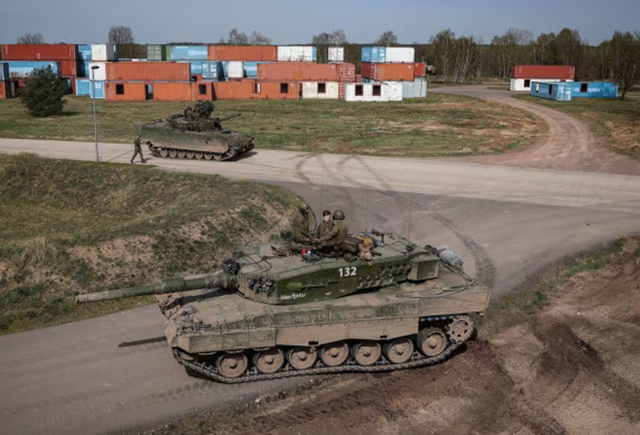
A major part of the challenge is that most of Europe’s transport infrastructure was never designed to accommodate heavy military hardware. While civilian trucks are generally limited to 40 tonnes, tanks can weigh up to 70 tonnes — a logistical nightmare when crossing outdated or structurally weak bridges.
Tzitzikostas also emphasized the need to cut through the bureaucratic obstacles that could slow down a military response. “We need to avoid tanks being stuck in paperwork when they cross borders,” he said.
The initiative comes at a time of growing anxiety across the EU over potential Russian aggression, particularly as NATO Secretary-General Mark Rutte warned in June that Russia could strike a NATO member state by 2030. Meanwhile, the EU is planning a wider rearmament effort estimated at up to €800 billion, aiming to become less reliant on the United States and better prepared to defend itself.
The proposed €17 billion budget for military mobility is part of the European Commission’s 2028–2034 budget cycle. However, EU diplomats have cautioned that political wrangling could reduce the final figure during negotiations between member states.
Tzitzikostas noted that this effort would complement NATO’s newly raised target for defence-related spending — 5% of GDP, including 1.5% specifically earmarked for infrastructure and security.
“We cannot afford anymore not to be ready or be dependent,” the commissioner stressed, as Europe grapples with the realities of an increasingly unstable geopolitical landscape.