



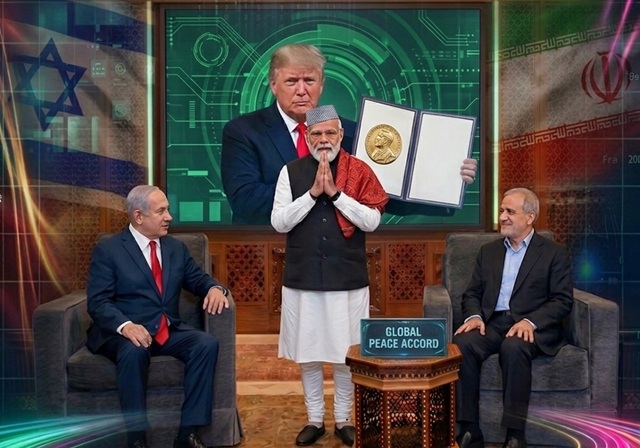
As fighting and brinkmanship intensify across West Asia, mediation has become the diplomatic currency of the moment. Pakistan, Turkey and Egypt have all stepped forward—quietly or otherwise—offering to bridge gaps between Washington, Tehran and key regional actors. Pakistan’s army chief, Field Marshal Asim Munir, has reportedly spoken directly with American authorities, while Ankara and Cairo have been relaying messages through parallel backchannels. Yet the central question is not who is willing to mediate, but who can do so credibly—and be accepted by all stakeholders at once.
Pakistan’s sudden prominence is striking but not accidental. Islamabad has a long history of “punching above its weight” diplomatically, particularly within the Islamic world. In the current crisis, it has leveraged working relationships with the United States, Iran and key Gulf states to position itself as a go‑between. Munir’s reported outreach to U.S. , alongside Pakistan’s continued contact with Tehran and its offer to host talks, reflects a familiar strategy: balancing ties with rival camps while projecting itself as indispensable. This posture draws on Pakistan’s shared border with Iran, defence links with Saudi Arabia and revived military‑to‑military channels with Washington.
Yet Pakistan’s credibility remains uneven. Iran may trust Islamabad more than overt U.S. allies, but Israel is likely to view Pakistan through the prism of its consistently pro‑Palestinian positions and the absence of diplomatic relations. Washington, for its part, may welcome Pakistan as a message carrier but remains cautious about investing too heavily in a mediator whose regional alignments are shaped by domestic religious sensitivities and Gulf obligations. Pakistan can open doors, but it struggles to convene all parties in the same room without suspicion.
Turkey’s case is even more complicated. Ankara prides itself on being a regional power capable of talking to everyone—from Hamas to Washington. Its longstanding ties with Hamas give it leverage that few others possess, and Turkey has repeatedly used this access in ceasefire and hostage‑related negotiations. At the same time, it maintains diplomatic relations with Israel and has intermittently sought to normalise them. That duality, however, is precisely the problem. For Israel, Turkey’s open political and logistical space for Hamas undermines Ankara’s claim to neutrality. For several Arab states and Egypt in particular—Turkey’s regional ambitions and ideological posturing evoke rivalry rather than trust. Analysts note that Ankara’s mediation often advances its own strategic interests, whether preventing regional spillover, managing refugee pressures or projecting indispensability, rather than strict impartiality. Turkey can influence outcomes, but it is rarely seen as an unbiased broker.
Egypt, by contrast, is the most established mediator in the Arab‑Israeli arena. Since the Camp David Accords, Cairo has repeatedly brokered ceasefires between Israel and Hamas and controls the Rafah crossing—an unmatched source of leverage. Its peace treaty with Israel and strategic partnership with the United States provide institutional credibility that Pakistan and Turkey lack. Yet Egypt is what analysts describe as an “embedded mediator.” The Gaza conflict directly affects its national security, particularly fears of refugee flows into Sinai and tensions along its border. Cairo’s rhetoric toward Israel has hardened in recent years, even as security coordination continues behind the scenes. This proximity gives Egypt influence but also limits its room for manoeuvre. It can manage crises, but it is ill‑suited to redesigning the regional order.
Taken together, Pakistan, Turkey and Egypt form a loose, overlapping mediation network—useful for de‑escalation, but fragmented by mistrust. None is acceptable to all stakeholders simultaneously. It is in this context that comparisons with India become unavoidable.
New Delhi occupies a rarer diplomatic space. India maintains a strategic partnership with the United States, deep defence and technological ties with Israel, and enduring civilisational, economic and energy links with the Arab world and Iran. Even amid the current conflict, India has kept channels open with Tehran to secure tanker passage through the Strait of Hormuz, while continuing high‑level engagement with Washington and Tel Aviv. Crucially, India is not a treaty ally, nor a regional rival, nor an ideological stakeholder in West Asia’s power struggles.
This does not mean India is perceived perfectly neutral. Its growing alignment with the United States and Israel has drawn scrutiny, particularly in Tehran and parts of the Arab world. Yet India remains among the few nations able to engage all sides without being reflexively dismissed as partisan. India’s standing rests on calibrated multi‑alignment, recently bolstered by humanitarian outreach to Iran that signalled autonomy rather than alignment. Modi’s pragmatic leadership has preserved India’s access across rival capitals, allowing engagement without entanglement. India supports de-escalation and restoration of peace at the earliest.
If India were to mediate, its effectiveness would lie less in grand bargains than in quiet sequencing. New Delhi’s diplomatic temperament favours restraint, incrementalism and backchannels over public theatrics. It is not a country inclined to announce itself as a peacemaker; it is more likely to nudge, stabilise and de‑escalate discreetly, allowing others political space to step back. However, India’s mediation potential is not without limits. West Asia is already crowded with mediators, and traditional players such as Egypt, Qatar and Oman may resist being overshadowed. China’s parallel offer to broker talks further complicates the landscape, raising the risk of competing mediation tracks that dilute pressure rather than concentrate it. For India, the challenge would be to ensure that its involvement complements existing efforts instead of competing with them—adding ballast rather than noise.
Ultimately, mediation in West Asia is less about ambition than acceptability. Pakistan can shuttle messages, Turkey can pressure non‑state actors, and Egypt can enforce ceasefires. But a durable diplomatic bridge—trusted in Washington, Jerusalem, Tehran and Arab capitals alike requires a mediator without deep ideological baggage or regional rivalry. That is a small club. And India, whether it chooses to step fully into the role or not, remains one of its few plausible members. In a region weary of performative diplomacy, the most effective broker may well be the one that speaks softly—and is heard by all.
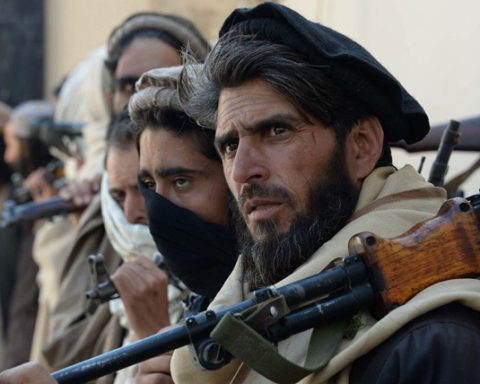
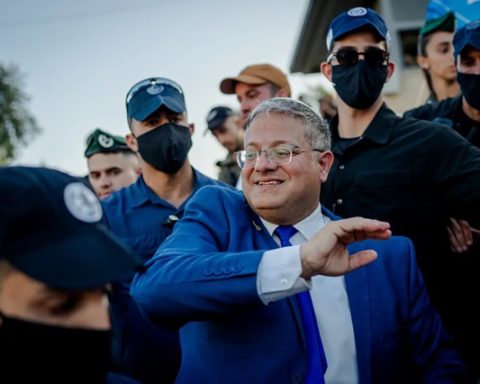
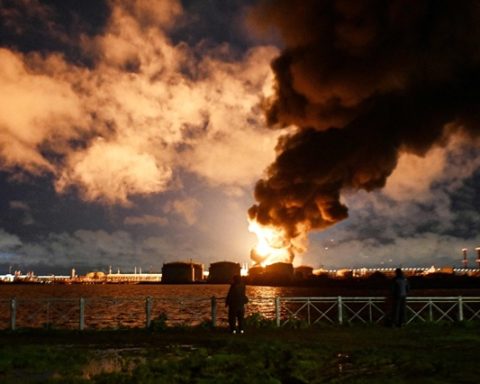



Modi may be good but not acceptable to all.