The Government of Fiji has declared a national emergency to address a rapid increase in HIV infections, seeking to contain the virus and protect public health. The health crisis, first evident in January 2025, has seen infections rise sharply, with one in every 60 adults now infected, compared with one in 167 just five years ago.
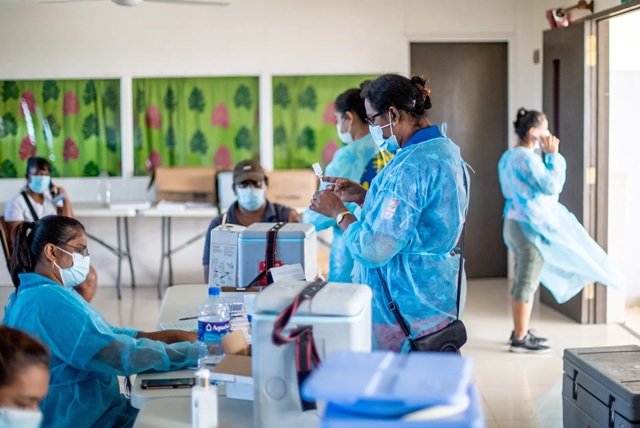
The emergency declaration is intended to coordinate government efforts and accelerate measures to contain the spread. Minister of Health Atonio Lalabalavu announced that the government would enhance access to diagnostics, therapies and pre-exposure prophylaxis (PrEP). A formal plan for needle exchange programmes and long-acting injectable prevention methods will also be expedited as part of the response.
The scale of the increase is also reflected in prenatal testing. Lalabalavu highlighted that 2% of pregnant women tested through prenatal services have been diagnosed with HIV, equivalent to one in every 50 pregnancies. The figures add another dimension to the public health challenge as authorities seek to expand access to testing and preventive measures.
A joint evaluation by the World Health Organization (W.H.O.) and the United Nations Development Programme (UNDP) in 2025 identified a lack of harm-reduction programmes and sterile injection supplies as a significant factor increasing HIV transmission risks among drug users. The evaluation identified methamphetamine use as the most common practice and warned that contaminated equipment can expose users to HIV and hepatitis from their first use. It also found that sharing blood directly among users was not a significant factor.
The reported figures underline the speed of the escalation. Fiji recorded 1,583 new cases in 2024, followed by another 1,226 cases during the first half of 2025. Estimates from UNAIDS indicate that the number of people living with HIV in Fiji rose from around 2,000 in 2020 to approximately 6,100 in 2024.
Treatment data has further highlighted the connection between the epidemic and gaps in harm-reduction services. According to the figures presented, 48% of patients who started treatment in 2024 were people who inject drugs, and all admitted to sharing used medical equipment because sterile services were scarce.
Fiji’s emergency measures come amid broader concerns about HIV resurgences and the effects of financial cutbacks, particularly from the United States. The shortage of sterile needles and limited harm-reduction programmes has been identified as a critical factor in transmission among drug users, making access to preventive services a central element of the government’s response.
The national emergency therefore places greater emphasis on expanding healthcare and prevention alongside efforts to contain existing infections. Fiji’s approach will centre on diagnostics, treatment, PrEP, needle exchange programmes and long-acting injectable prevention methods. The effectiveness of the response will depend on how these measures are implemented and on continued support from international health organisations.