A strengthening El Niño weather pattern is raising alarm across Southeast Asia, with analysts and governments warning that a potentially severe episode could drive sharp increases in food prices across the ASEAN region while compounding existing energy and fertiliser cost pressures.
Meteorological data indicates that El Niño conditions have already begun, with forecasts suggesting the phenomenon could intensify into a so-called “Godzilla” event between November and January. Some scientific models project it could become one of the strongest episodes on record, surpassing the 2015–2016 cycle, which brought extreme heat and significantly reduced rainfall across parts of the Pacific region.
The current outlook comes at a time when Southeast Asian economies are already managing elevated costs in fuel and fertiliser markets. Analysts say the combination of weather-driven supply disruptions and input price shocks could ripple through agricultural production chains, raising inflationary pressure in consumer food baskets and slowing growth in agriculture-dependent economies.
Countries such as Indonesia, Malaysia and Thailand are considered particularly exposed due to their reliance on monsoon rainfall for key planting cycles. Commodities analyst Ong Bin Hui at BMI said below-average rainfall could coincide with critical phases of crop development, amplifying the risk to yields. The vulnerability is heightened by the structure of regional agriculture, where irrigation-heavy crops such as rice require consistent water supply throughout growing periods.
Rice markets are expected to be especially sensitive to disruptions. Commodity market analyst Khor Yu-Leng of Segi Enam Advisors noted that global rice trade is relatively thin, meaning even modest supply shocks can trigger disproportionate price reactions. According to Khor, such conditions often lead to export restrictions and panic buying, further accelerating price volatility beyond actual shortages.
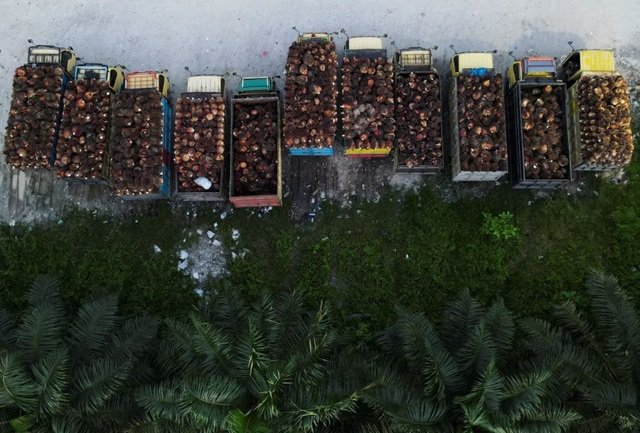
Palm oil, another key agricultural export dominated by Indonesia and Malaysia, is also at risk. Reduced rainfall could affect plantation yields, particularly in regions historically vulnerable to El Niño conditions. Analysts identified areas such as Rokan Hulu in Indonesia’s Riau province and Plai Phraya in Thailand’s Krabi region as having experienced significant impacts during previous episodes. Coffee and sugarcane production in Vietnam, Indonesia and Thailand may also face strain if dry conditions persist.
The potential inflationary effects extend beyond crop output. Rising corn prices, driven in part by global supply conditions in major exporting countries such as Brazil and Argentina, could increase costs for livestock and poultry producers across Southeast Asia. Corn is a major input in animal feed, and higher prices could translate into increases in poultry, egg, dairy and meat prices throughout the region.
These risks are unfolding alongside broader macroeconomic pressures. Analysts cited in the reporting noted that most Southeast Asian countries, with the exception of Thailand, remain net food importers, making them vulnerable to global commodity price swings. Goldman Sachs analysts Chris Poh and Andrew Tilton warned that fear-driven market responses such as export bans and stockpiling could amplify price increases beyond physical supply shortages.
The current El Niño risk is also interacting with existing disruptions in global energy and fertiliser markets. Blocked shipments through the Strait of Hormuz earlier in the year led to sharp increases in input costs, with fertiliser trade through the waterway reportedly falling by as much as 30 percent in early 2026. Analysts say these supply constraints are still filtering through production systems, with second-round inflation effects beginning to appear in food prices.
Goldman Sachs estimates that a severe El Niño combined with energy and fertiliser shocks could raise Southeast Asia’s food inflation by around one percentage point within six months and up to 2.1 percentage points within a year. The impact is expected to vary across the region, with countries such as Singapore and Malaysia relatively less exposed due to lower food weightings in their inflation baskets compared with Indonesia, the Philippines and Thailand.
Beyond inflation, the broader economic impact could include weaker growth in agriculture-dependent sectors. According to a report by Bank of America, agriculture accounts for roughly 10 percent of gross domestic product in most ASEAN-6 economies, excluding Singapore, and represents a significant share of regional exports. A severe El Niño event, the report noted, could therefore reduce overall economic output by weakening farm production.
Governments across the region have begun preparing contingency measures. Malaysia’s Ministry of Agriculture and Food Security has pledged early warning systems and coordination with regional partners to safeguard food supply stability. Indonesia has announced efforts to strengthen irrigation systems in rice-producing areas and plantation zones.
However, analysts caution that such emergency responses may not be sufficient to offset the scale of potential disruption. While buffer stocks, subsidies and export restrictions are commonly used tools during food crises, they can also strain public finances and distort markets.
Instead, experts emphasize longer-term structural adaptation measures. These include improved water storage infrastructure, drought-resistant crop varieties, enhanced weather forecasting systems, digital monitoring tools and more resilient agricultural supply chains. As Khor noted, while such measures may lack immediacy, they are critical to building resilience against increasingly volatile climate-driven shocks.
With El Niño conditions expected to intensify in the coming months, Southeast Asia’s agricultural sector now faces a convergence of climatic and economic pressures that could shape food prices and regional inflation trends well into the next year.