As World Oceans Day approaches on June 8, the Secretary-General of the International Maritime Organization (IMO), Arsenio Dominguez, is urging the global community to intensify its commitment to protecting the ocean. With growing environmental challenges and the UN Ocean Conference set to take place in Nice, France from June 9 to 13, Dominguez emphasized that the momentum for international cooperation must not wane.
Calling for a renewed spirit of multilateralism, Dominguez highlighted the shared responsibility of governments, industries, and civil society in preserving the health of the ocean. “We all have a responsibility to safeguard our precious marine environment and resources, on which we all depend,” he said. “This World Ocean Day, let us reaffirm our collective commitment to intensify our work through the power of multilateral action. The ocean and the planet depend on it.”
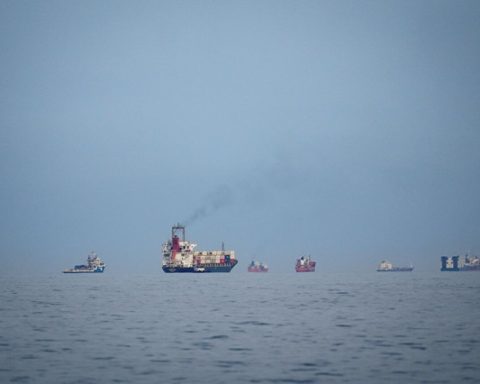
Dominguez is set to lead an IMO delegation to the UN Ocean Conference, where the spotlight will be on the shipping sector’s role in marine protection. With shipping accounting for more than 80% of global trade and contributing over USD 900 billion annually to the ocean economy, the IMO is aiming to leverage the industry’s influence for sustainable ocean governance.
As part of its initiatives, IMO will unveil two new Global Industry Alliances at the conference. These alliances will focus on mitigating underwater noise and tackling marine plastic pollution—two critical threats to marine biodiversity. These partnerships are modeled on the IMO’s existing Global Industry Alliance, a successful public-private initiative that supports environmental goals in the maritime sector.
The Secretary-General also pointed to the IMO’s decades-long track record of setting international standards to limit environmental harm from shipping. These include measures that have significantly reduced oil spills, air pollution, ship losses, and container losses at sea. Now, the organization is stepping up its response to what Dominguez calls the “triple planetary crisis” of climate change, pollution, and biodiversity loss.
Key areas of current IMO action include developing new regulations to reduce greenhouse gas emissions from ships, implementing a revised global plan to eliminate sea-based plastic litter, and creating binding measures to prevent the spread of invasive aquatic species. The organization is also helping member states address underwater noise, which poses a growing threat to marine life.