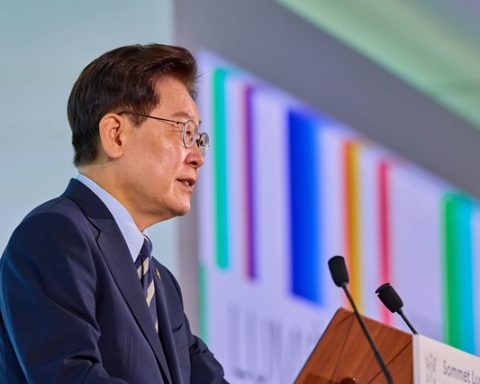
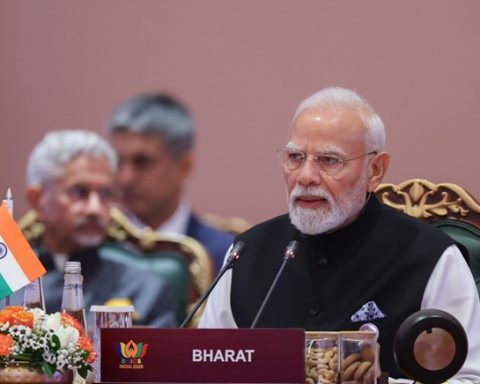
India is increasingly asserting its influence over Sri Lanka’s fuel supply chain, raising concerns about energy sovereignty as the island nation grapples with distribution shortages and rising prices. During a recent telephone conversation, Indian Prime Minister Narendra Modi assured President Anura Kumara Dissanayake that India would prevent any fuel shortages in Sri Lanka. While this assurance appears to offer short-term relief, reliable sources indicate that India is simultaneously discouraging Sri Lanka from seeking fuel imports from third-party suppliers, thereby reinforcing Indian dominance in the local oil market.
Reports suggest that ongoing discussions between Sri Lanka and Russia over potential fuel trade agreements are unlikely to materialize. Key obstacles include the incompatibility of Russian crude oil with Sri Lanka’s refining capabilities, as well as India’s strategic pressure to limit Colombo’s engagement with alternative energy partners. This has fueled speculation that India is deliberately narrowing Sri Lanka’s options to maintain its own economic and geopolitical leverage in the region.
Amid these developments, a shipment carrying 38,000 metric tons of diesel and petrol is scheduled to arrive in Sri Lanka on March 28, reportedly as a direct outcome of the high-level communication between the two leaders. However, the arrival of this shipment does little to address the deeper structural issues within the country’s fuel distribution system.
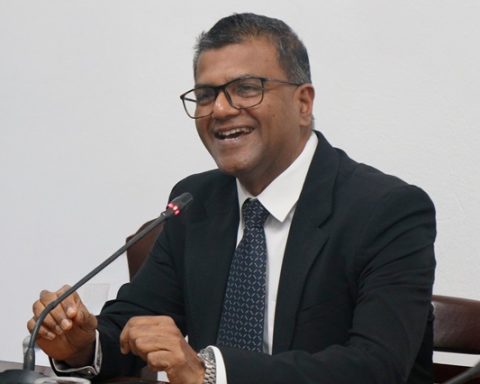
According to Ananda Palitha, convener of the Samagi Trade Union Congress, between 150 and 200 fuel stations across the country are still without supplies. He noted that the Ceylon Petroleum Corporation is currently distributing only fuel imported by Sinopec and the Indian Oil Corporation, further highlighting the limited diversity in supply sources. He also pointed out a sharp increase in fuel unloading costs at the Colombo Port, rising from Rs. 148 per liter before February 28 to Rs. 185 afterward, a shift that has directly contributed to recent price hikes.
Palitha emphasized that private sector participation in fuel distribution has significantly declined, with nearly 25 percent of private fuel transport vehicles currently inactive. This has worsened the distribution bottleneck, leaving many filling stations unable to operate effectively. He warned that unfair pricing mechanisms and operational inefficiencies could further discourage fuel orders in the future, deepening the crisis.
Criticism has also been directed at the government’s handling of the energy sector, with allegations of mismanagement and lack of oversight. The appointment of a close associate of the President as Chairman of the Petroleum Corporation has raised concerns about accountability, while the government’s earlier stance against foreign energy companies appears to have shifted. Instead of reducing foreign influence, critics argue that companies like Sinopec and Indian Oil Corporation are now in a stronger position to dominate the market, potentially at the expense of local businesses and consumers.