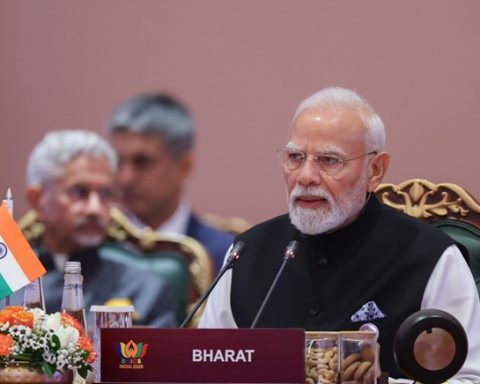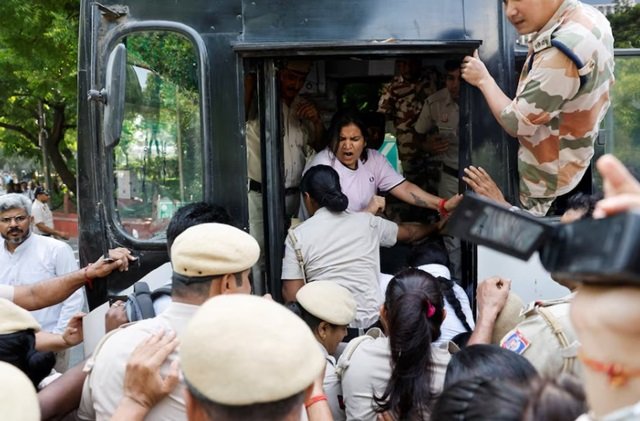
Indian Prime Minister Narendra Modi faces renewed political pressure as the Gen Z-led Cockroach Janata Party and separate student and civil society groups stage protests on Friday demanding the resignation of Chief Election Commissioner Gyanesh Kumar over a controversial voter-roll revision process. The CJP is holding a rally in Mumbai and plans to expand demonstrations across the country, while student and activist groups are gathering at New Delhi’s Jantar Mantar.
The protests mark a further escalation in a dispute that has placed the Election Commission of India under intense scrutiny. Critics allege that the commission manipulated voter rolls in ways that benefit Modi’s Bharatiya Janata Party. The commission and the government have denied the allegations, maintaining that its actions have been lawful. The commission has also said that differences between its officials are a normal part of institutional deliberations.
Pressure on Kumar intensified after the Indian Express reported that two of his fellow election commissioners had raised concerns at least 14 times over 10 months about voter-list revisions, registration procedures and the commission’s digital systems. The report prompted opposition parties and youth activists to intensify demands for Kumar’s resignation. The Election Commission has maintained that differing views and observations are normal before decisions are reached.
The dispute centres on a nationwide voter-verification exercise launched last year. Critics say the process has resulted in millions of eligible voters being removed from electoral rolls, while the Election Commission says the exercise is designed to eliminate duplicate, deceased and otherwise ineligible voters and improve the accuracy of electoral lists. Reuters has reported that the verification drive has covered most Indian states after beginning in Bihar, where large numbers of voters found their names missing from draft rolls.
The CJP says the right to vote is central to its campaign. “We have been asking and demanding for a change but nothing of that is going to happen, if our only tool that is left to change anything in our society ‘the right to vote’ is taken away from us,” Saurav Das, the group’s convenor, told the Indian news agency ANI. “We will only end the protest after Gyanesh Kumar resigns.”
The main opposition Congress party and other opposition groups are also preparing demonstrations demanding Kumar’s resignation, with protests planned from October 6. The dispute has therefore expanded beyond the youth movement, with opposition parties making the conduct of the Election Commission a wider political issue.
The Cockroach Janata Party emerged earlier this year from online anger over unemployment and leaked examination papers. Led by Abhijeet Dipke, it gained national prominence after organising mass protests over exam-paper leaks that resulted in the resignation of India’s education minister. The movement subsequently turned its attention to the voter-roll dispute and threatened nationwide demonstrations if Kumar did not leave office.
The Election Commission has defended the voter-verification process and its internal decision-making. It has said all actions were lawful and that disagreements among commissioners are part of normal deliberations. The commission has also announced procedural changes, including greater use of home visits by officials to collect verification documents and a review of the software used for voter-roll changes.