Deep within India’s forests, where monsoon-swollen rivers cut through unmapped terrain, a decades-long insurgency is slowly being cornered—but the human cost endures. According to reporting by The Washington Post, the Indian government’s campaign against Maoist rebels in central Chhattisgarh has weakened the insurgents, yet violence, fear, and unresolved grievances continue to shadow local communities.
The Maoists, inspired by Chinese Communist leader Mao Zedong, once operated across nearly a third of India’s districts, taking root among marginalized Indigenous populations known as Adivasis. At their peak, tens of thousands of rebels controlled a vast “red corridor” stretching across the country.
Since the Bharatiya Janata Party (BJP) took power in Chhattisgarh in 2023, Home Minister Amit Shah set a 2026 deadline to eliminate the Maoist threat. Helicopters, drones, and intensified military operations have since reduced the rebels to isolated pockets, with only a fraction of senior leaders remaining. Shah recently expressed confidence that India would soon be “free of the [Maoist] menace.”
Yet, The Washington Post’s reporting from a 10-day journey through Bastar reveals that while the rebels are weaker, violence and human rights violations persist. Residents describe killings and abuses carried out by both insurgents and state forces. Indigenous activist Suneeta Pottam, who co-founded the now-banned Mulwasi Bachao Manch to advocate for nonviolent rights, remains imprisoned after speaking out against police abuses, exemplifying the risks faced by local advocates.
“The conflict is about defending their land,” said Nandini Sundar, author of The Burning Forest: India’s War in Bastar. “And that is going to continue, whether in the form of being with the Maoists or not.”
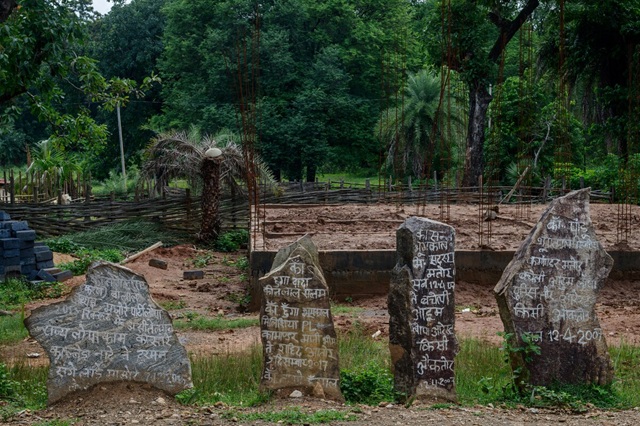
The roots of the rebellion stretch back to 1967, when a sharecropper’s killing in Naxalbari sparked an uprising that would later evolve into the Maoist movement. The rebels gained support among Adivasis, who had long faced marginalization despite living atop mineral-rich lands. Over the years, a cycle of retaliatory violence engulfed the region, leaving tens of thousands dead, including both rebels and civilians.
Despite the government offensive, villagers report continued harassment and fatalities. One mother, Maase Sood, lost her infant daughter during a police operation while protecting her home from road construction—a road that ultimately led to a new security camp.
Officials assert that operations target only rebels and deny allegations of civilian abuse, while locals argue that the security infrastructure primarily benefits mining companies rather than the communities it is meant to protect.
The Washington Post highlights how the war has left activists like Pottam and many others jailed or silenced, fueling the perception that violent struggle remains the only path to protect Indigenous rights. As one lawyer in Bastar noted, targeting peaceful activists inadvertently “legitimizes the Maoist claim that there is no other way than the gun.”
Even as the Maoists’ presence wanes, the forests of Chhattisgarh remain a flashpoint, with the scars of decades of fighting visible in every village. For residents, the promise of peace remains elusive, and the battle for justice continues, long after the frontlines have shifted.