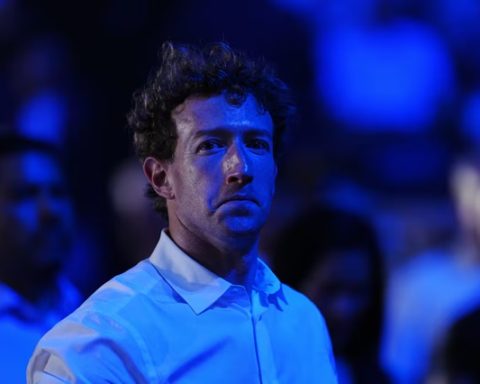
The head of Instagram has taken the witness stand in a closely watched Los Angeles trial examining whether social media platforms contributed to a worsening mental-health crisis among young users. Adam Mosseri, the top executive of the Meta-owned platform, defended the company’s design choices and policy decisions against allegations that Instagram knowingly deployed features that harmed children and teenagers.
The lawsuit was brought by a California woman who began using Instagram at the age of nine. She claims Meta and Google’s YouTube deliberately sought to attract and retain young users despite internal awareness of potential psychological harms. According to her complaint, prolonged exposure to the platforms contributed to depression and body dysmorphia. The case is one of many across the United States accusing major technology companies of fostering what plaintiffs describe as “social media addiction” among minors.
During testimony, internal communications from 2019 were presented to the court, revealing debates within Instagram over whether to lift a ban on face filters that simulated the effects of cosmetic surgery. Teams focused on policy and user well-being reportedly supported maintaining the ban while gathering more evidence about possible harm to teenage girls. One email from then–global affairs executive Nick Clegg warned that removing the restriction could lead to accusations that the company was placing growth ahead of responsibility.
Mosseri and Meta CEO Mark Zuckerberg, who is expected to testify later in the trial, favored a compromise that allowed certain filters to remain but removed them from recommendation algorithms. Internal discussions characterized the approach as carrying “a notable well-being risk” while potentially limiting the impact on user growth. Mosseri told the court he was attempting to balance competing considerations and emphasized that the company ultimately barred filters explicitly promoting plastic surgery while allowing others without actively recommending them.
The proceedings unfold against a backdrop of increasing global scrutiny of children’s access to social media. Australia recently enacted a nationwide ban on social media use for children under 16, becoming the first country to do so, while several European nations including Spain, Greece, Britain, and France are considering similar restrictions. In the United States, lawsuits from families, school districts, and state attorneys general have mounted, alleging platforms were negligently designed in ways that amplified harm.
For the jury to hold Meta and YouTube liable, it must determine that the companies were negligent in designing or operating their platforms and that their products substantially contributed to the plaintiff’s mental-health struggles. The courtroom has drawn emotional testimony and the presence of parents who say social media played a role in their children’s deaths. One mother, whose daughter died by suicide at age 16, described young users as “collateral damage” of Silicon Valley’s once-celebrated ethos to “move fast and break things,” a phrase Mosseri acknowledged is no longer appropriate.
Legal experts view the case as a critical test of long-standing U.S. protections that shield online platforms from liability for user-generated content. Meta’s attorneys have invoked the law in challenging certain evidence and could rely on it in an appeal if the company loses. The outcome is expected to influence how courts handle hundreds of similar lawsuits and may shape future regulation of social media companies worldwide.
The trial is set to continue, with further testimony anticipated in the coming days.