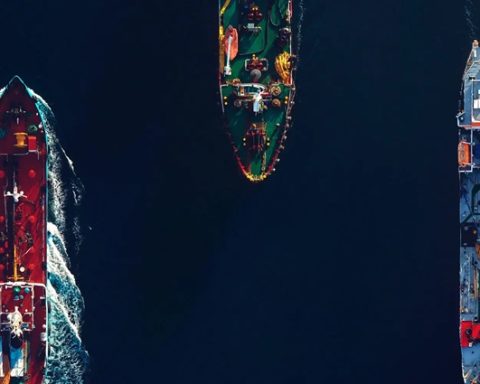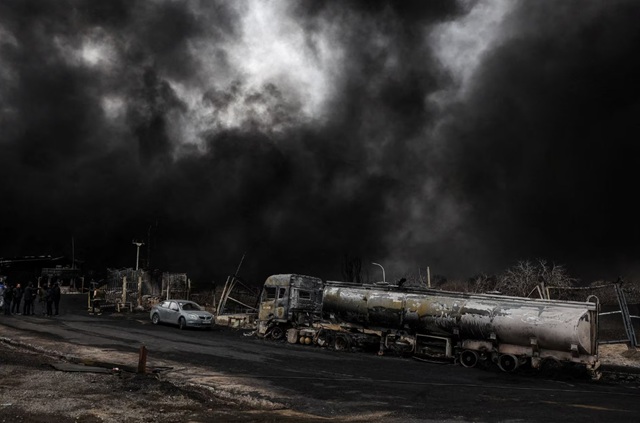
Business activity around the world has taken a hit as the ongoing Iran war and soaring energy costs weigh heavily on corporate confidence, early survey data revealed on Tuesday. The first purchasing managers’ index (PMI) readings since the outbreak of the conflict indicate that companies from Europe to Australia are feeling the economic strain, with Brent crude remaining above $100 per barrel and global liquefied natural gas supplies tightening. Commerzbank economists noted that the Iran conflict “is leaving its first traces” on the global economy.
In the Eurozone, private sector activity flirted with stagnation in March as sentiment fell to 50.5 points on the PMI, the lowest level in 10 months, down from 51.9 in February and below economists’ expectations of 51. The reading hovers just above the crucial 50 threshold separating growth from contraction. Chris Williamson, an economist at S&P Global Market Intelligence, warned that the survey “rings stagflation alarm bells,” highlighting rapidly rising costs and weakening growth. Firms are facing the fastest increase in expenses in over three years due to the surge in energy prices and supply chain disruptions caused by the conflict.
Australia saw its private sector return to contraction for the first time in 17 months, with the PMI dropping to 47 from 52.4 in February. High inflation and worries over the Middle East conflict dampened business confidence. In Japan, activity fell slightly to 52.5 from 53.9, though manufacturing and services remained in expansionary territory. Meanwhile, UK manufacturers signaled the steepest rise in input costs since October 2022, as the composite PMI declined to a six-month low of 51 from 53.7.
These survey results come on the heels of warnings from major central banks that the Middle East war could exacerbate inflation. The European Central Bank recently cut its 2026 growth forecast from 1.2 to 0.9 percent and cautioned that a prolonged disruption of oil flows through the Strait of Hormuz could push growth as low as 0.4 percent. ECB President Christine Lagarde emphasized that the immediate inflation impact would be “material.” Federal Reserve Chair Jay Powell echoed similar concerns for the US, noting that higher energy prices will push up overall inflation, though the long-term effects remain uncertain. The Bank of England also highlighted the potential for energy shocks to influence wages and prices, signaling that higher interest rates may be necessary.
Traders have already revised interest rate expectations across major economies following US and Israeli strikes on Iran on February 28. In the Eurozone, markets now anticipate more than two quarter-point rate hikes by year-end as the ECB is expected to act more aggressively to counter rising energy costs than it did during the 2022 energy crisis triggered by Russia’s invasion of Ukraine. The data underscores the fragile state of global economic growth as the Iran conflict continues to ripple through markets worldwide.