The war involving Iran has created a chain of consequences extending far beyond the Middle East, with African countries increasingly absorbing the economic and security fallout from disruptions to global energy flows and Gulf-based trade networks.
While much of the international focus has remained on military strikes, diplomatic tensions, and the security of the Strait of Hormuz, the broader impact on Africa has received far less attention. A recent analysis by The Soufan Center highlights how the conflict has affected energy prices, food security, maritime stability, and the livelihoods of millions of Africans who depend on economic links with the Gulf region.
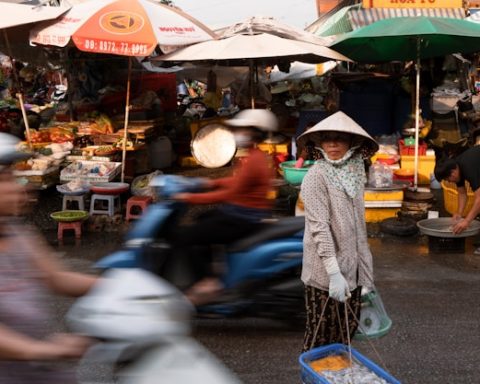
For many African economies, the effects have arrived through familiar pressure points: rising fuel costs, disrupted agricultural supplies, and declining remittances from migrant workers in Gulf countries. Although the fighting has not directly spread to the African continent, the economic shockwaves have reached governments, businesses, and households across several regions.
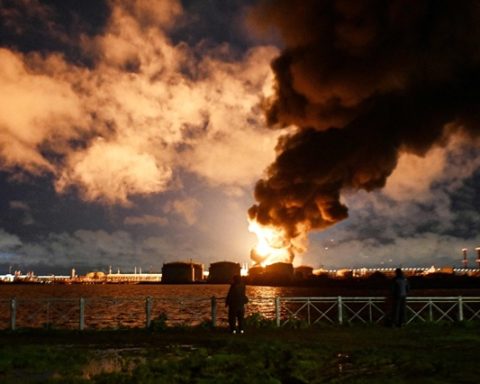
The conflict’s impact has been especially visible in energy markets. The Strait of Hormuz, one of the world’s most strategically important maritime passages, connects the Gulf with global energy markets. Disruptions to shipping through the waterway have raised concerns among countries dependent on imported fuel, with higher gas and diesel prices contributing to increased electricity costs and inflation.
Several African governments have already experienced pressure from rising energy expenses. The Soufan Center noted that countries including South Sudan, Ethiopia, Zimbabwe, Mauritius, and Kenya have faced significant challenges linked to fuel shortages and higher energy costs. South Sudan has resorted to electricity rationing, while Kenya has reported widespread fuel supply problems.
The economic impact, however, has not been uniform across the continent. Some African oil-producing countries could benefit from higher global oil prices. Algeria, Angola, Nigeria, and South Africa are among the nations positioned to take advantage of increased energy revenues as markets respond to uncertainty surrounding Gulf supplies.
Beyond energy, the conflict has created growing concerns over agriculture and food security. Approximately three-quarters of the fertilizer used in sub-Saharan Africa originates from the Middle East, making the region vulnerable to disruptions in Gulf shipping routes.
Although commercial vessels have continued moving through the Strait of Hormuz, traffic has declined significantly following attacks and counterattacks involving Iran, the United States, and regional actors. According to maritime intelligence firm Kpler, as reported by the BBC, only 23 tankers and cargo ships crossed the Strait on one Wednesday, compared with 47 one week earlier. Before the conflict, the Joint Maritime Information Center reported that an average of 138 ships passed through the waterway each day.
The decline in maritime traffic has raised concerns about the reliability of future fertilizer shipments. Reduced availability of agricultural inputs could affect crop production and worsen food insecurity in countries already facing economic and climate-related pressures.
The strategic importance of the Strait of Hormuz has become a central concern in the conflict. While Washington has emphasized preventing Iran from developing a nuclear weapon, The Soufan Center analysis noted that Tehran’s ability to influence shipping through the waterway represents a powerful strategic tool. The possibility of attacks against commercial vessels has created uncertainty for countries dependent on stable maritime trade.
The security implications also extend beyond economic disruption. The Red Sea and Gulf of Aden region, stretching through the Horn of Africa and including Eritrea, Ethiopia, Somalia, Sudan, and Djibouti, remains a critical intersection of energy routes, maritime security, and international competition.
The conflict has raised concerns about potential changes in the region’s security environment, including threats to commercial shipping, maritime piracy, and the activities of Iranian-linked networks in East Africa. The Soufan Center warned that shifting dynamics could also affect the relationship between Iranian-backed groups and existing militant organizations operating in Yemen and the Horn of Africa.
The region has long been a strategic arena involving multiple external powers. Gulf countries, including the United Arab Emirates, as well as Egypt, Türkiye, and Israel, have expanded their regional engagements, while Iran has increased diplomatic and economic ties with countries such as Zimbabwe, Kenya, and Uganda.
Another major consequence has emerged through migration and remittances. Millions of workers from Africa and South Asia are employed across the Gulf Cooperation Council (GCC) countries, where foreign workers make up more than half of the total population. According to The Soufan Center, around 12 percent of GCC migrant workers are from Africa.
These workers provide a crucial financial lifeline for families at home. Remittances sent from Gulf countries support essential expenses, including food, education, and housing. The total value of remittances connected to Gulf-based migrant workers reached an estimated $124 billion in 2024.
The war has disrupted sectors employing migrant workers and affected income flows. Some payment services initially recorded increases in remittance transfers as workers used savings to support relatives during the early stages of the crisis. However, as the conflict continued, those transfers declined. Onafriq, for example, recorded a sharp increase in remittances to Kenya in March before a significant drop in May, reflecting the growing economic strain on migrant workers.
The conflict in Iran has therefore created a far-reaching economic and security challenge for Africa, despite the absence of direct military spillover. Energy markets, agricultural supply chains, maritime routes, and migrant economies have all become connected to developments thousands of kilometers away.
As uncertainty continues around Gulf shipping, regional security, and diplomatic negotiations, African governments remain exposed to the consequences of a conflict whose effects extend well beyond the Middle East. The war’s impact is being measured not only in military operations and geopolitical rivalry, but also in fuel prices, food supplies, and the daily economic realities of millions of people across Africa.