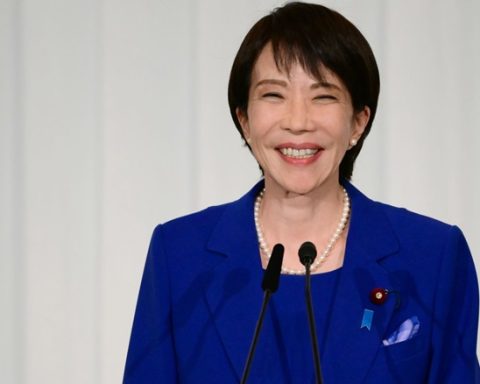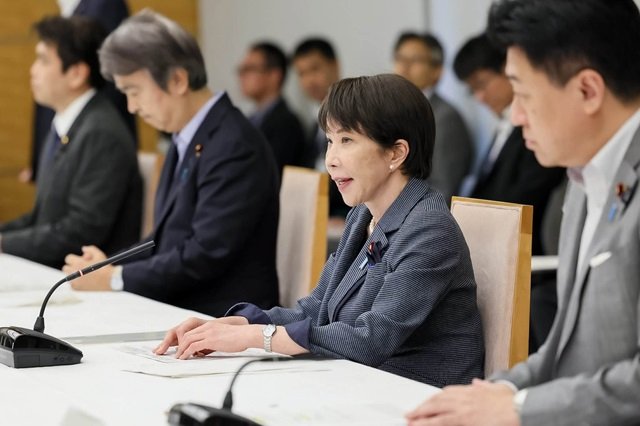
Japanese Prime Minister Sanae Takaichi has said she intends to attend the Asia-Pacific Economic Cooperation (APEC) leaders’ summit in China next month, provided parliament permits, signalling her willingness to engage with Beijing despite strained relations between the two countries.
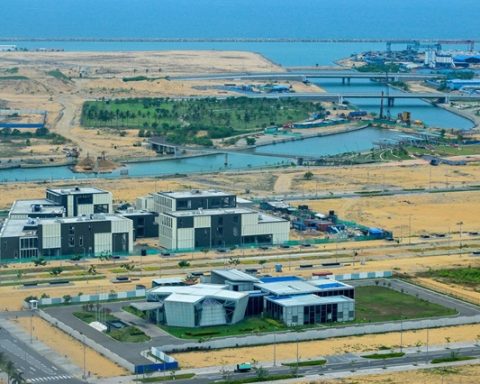
Takaichi confirmed her plans during a parliamentary session on Friday, responding to questions about Japan’s foreign policy and the government’s handling of crises. The summit is scheduled to take place in Shenzhen on 18 and 19 November, offering a potential opportunity for the leaders of Asia’s two major economies to meet amid a prolonged diplomatic freeze.
It remains uncertain whether Chinese President Xi Jinping will hold bilateral talks with Takaichi during the gathering. The annual APEC summit often provides Japanese and Chinese leaders with an opportunity to meet without the diplomatic and logistical demands of arranging a separate official visit.
Tensions between Tokyo and Beijing rose sharply following Takaichi’s comments on Taiwan almost a year ago. Her possible attendance at the summit would place her in a setting where discussions with Chinese officials could take place, although neither the details of any potential meeting with Xi nor its prospects have been established.
Takaichi’s foreign policy plans come as she faces domestic political challenges, including the resignation of agriculture minister Kazuo Yana last week. His departure marked the first time a member of her Cabinet had resigned over a scandal since her administration took office.
Media reports alleged that Yana had circumvented electoral rules and boasted in February about cutting funding to municipalities that did not support his campaign. Yana denied breaking the law, saying he was resigning because he was concerned that the controversy could interfere with parliamentary proceedings and his ministerial responsibilities.
Takaichi initially defended the agriculture minister but subsequently accepted his resignation ahead of the submission of a bill to suspend the sales tax. The proposed suspension is expected to become the main focus of the current parliamentary session.
Her handling of the controversy has drawn criticism from opposition lawmakers, although its longer-term effect on her public support remains uncertain. The resignation has added to the challenges facing the prime minister as her government seeks to advance its legislative agenda.
The prime minister also attracted attention this week for remarks about the additional demands she faces as Japan’s first female leader. Speaking in parliament on Wednesday, she said that grooming and household responsibilities made her daily schedule several hours longer than that of her male predecessors.
“I think my days are about three or four hours longer than that of a male prime minister,” she said.
Takaichi explained that her morning routine included bathing, preparing breakfast, cleaning up afterwards and applying makeup. She also described the additional work involved in removing makeup at the end of the day.
“If you have make up on you have to remove it with a cleanser, and in the mornings I bathe and get breakfast ready, clean up after breakfast, and then do my makeup,” she said.
Her comments prompted debate over the expectations placed on women in public life, adding another domestic issue to the prime minister’s recent political challenges.
The November APEC summit will provide a potential opportunity for Takaichi to engage directly with Chinese leaders as Tokyo and Beijing continue to navigate tensions that have complicated relations between the two countries. Her attendance remains subject to parliamentary permission, while the possibility of a meeting with Xi Jinping remains unresolved.