In a dramatic reversal of one of the Middle East’s most closely watched diplomatic shifts, Saudi Crown Prince Mohammed bin Salman’s calculated gamble on rapprochement with Iran has begun to unravel under the strain of escalating war. What was once framed as a pragmatic effort to stabilise the region and unlock economic transformation has instead exposed the kingdom to the very volatility it sought to avoid. As reported by the Financial Times, the US-Israeli offensive against Iran has triggered a wave of retaliatory strikes that now reach deep into the Gulf, forcing Riyadh to confront a reality it had tried to sidestep.
Only a few years ago, Prince Mohammed was openly hostile towards Tehran, warning against appeasing Iran’s supreme leader Ayatollah Ali Khamenei, whom he once likened to a modern-day Hitler. Yet by 2023, he had pivoted sharply, embracing a Chinese-brokered détente aimed at cooling decades of hostility between the Sunni kingdom and the Shia republic. The logic was straightforward: regional calm would create the conditions necessary for his sweeping Vision 2030 reforms, designed to transform Saudi Arabia into a global hub for trade, tourism and investment.
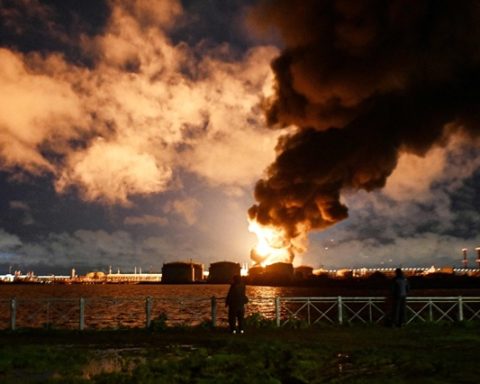
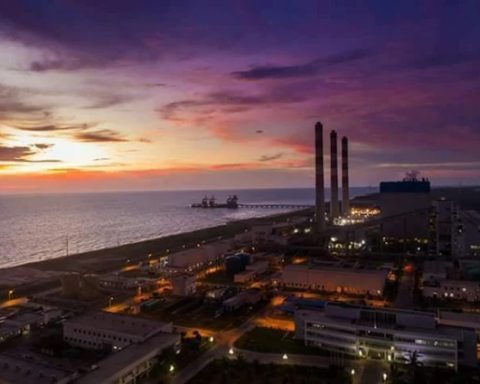
That calculation now appears dangerously fragile. Since the outbreak of hostilities two weeks ago, Iran has launched repeated strikes targeting Saudi territory and infrastructure. American bases within the kingdom have come under fire, as has the US embassy in Riyadh. Critical energy installations, including the vast Ras Tanura refinery and the Shaybah oilfield, have also been threatened. For a country whose economic future hinges on stability and investor confidence, the symbolism is stark.
“This is the last thing he wanted,” said Bernard Haykel, a Princeton academic who maintains close contact with the crown prince. “He wants order, not missiles and drones filling the sky.” The war, in effect, has dragged Saudi Arabia back into the very security quagmire it had sought to escape through diplomacy.
The longer the conflict persists, the greater the strain on Riyadh’s economic ambitions. Vision 2030 was already facing delays and scepticism, with some targets proving elusive even before the current crisis. Now, the calculus has shifted further. Foreign investors, already cautious, are being asked to commit capital in a region once again defined by instability. High-profile disruptions have followed swiftly, with international events such as Formula 1 races in Saudi Arabia and Bahrain cancelled amid security concerns.
While Saudi Arabia has so far avoided the scale of attacks seen in neighbouring Gulf states such as the United Arab Emirates, Bahrain and Qatar, its relative insulation may prove temporary. Its access to the Red Sea has allowed it to bypass the increasingly perilous Strait of Hormuz, effectively closed by Iranian activity. Yet this geographical advantage offers only partial relief. The broader economic implications remain severe, particularly for global energy markets.
Amin Nasser, chief executive of Saudi Aramco, has already warned of “catastrophic consequences” should the conflict drag on. His remarks reflect mounting concern within the kingdom that the war could disrupt oil supplies on a scale not seen in decades. For a state whose revenues still depend heavily on hydrocarbons, such disruption poses both immediate and long-term risks.
Analysts argue that the conflict represents a profound setback for the crown prince’s reform agenda. Firas Maksad of Eurasia Group has suggested that Saudi Arabia will be forced to divert resources towards defence spending, extending timelines for economic diversification. “They were already missing their targets,” he noted. “Now they will have to refocus entirely.” In practical terms, this means postponing or scaling back ambitious megaprojects that were meant to redefine the kingdom’s global image.
Publicly, Saudi Arabia has condemned Iran’s actions while calling for de-escalation. Privately, however, the situation is far more complex. Gulf leaders find themselves caught between competing fears. On one hand, they seek an end to hostilities; on the other, they worry that a premature halt could leave Iran weakened yet emboldened, more aggressive and less predictable than before. The prospect of a wounded adversary lingering in the region presents its own strategic nightmare.
A source familiar with Riyadh’s thinking indicated that while the kingdom does not seek outright regime change in Iran, it would prefer to see its rival’s military capabilities significantly degraded. The dilemma is acute: push for continued pressure and risk wider chaos, or advocate restraint and risk a more defiant adversary. Either path carries substantial danger.
Complicating matters further is the potential involvement of Iranian-backed groups such as the Houthis in Yemen. A fragile truce has held since 2022, but renewed hostilities could quickly unravel it. Saudi Arabia’s earlier intervention in Yemen exposed it to sustained drone and missile attacks, and there is growing concern that history could repeat itself on an even larger scale.
Despite the breakdown in trust, limited communication between Riyadh and Tehran persists, albeit at a reduced level. Diplomatic channels remain open through ambassadors, but the illusion of a stable working relationship has largely evaporated. The notion that engagement alone could neutralise longstanding geopolitical rivalry now appears naïve.
There is also evident frustration within Saudi leadership towards Washington and Israel. Gulf states had warned that military escalation would have far-reaching consequences, yet those warnings went largely unheeded. The perception that Saudi Arabia has been drawn into a conflict not of its choosing has fuelled unease about its reliance on external powers.
This unease is compounded by the unpredictability of US President Donald Trump’s approach to foreign policy. While Riyadh benefits from American defence support, including missile interceptors, the transactional nature of the relationship leaves Saudi leaders wary. Trump’s willingness to shift strategy abruptly introduces an additional layer of uncertainty into an already volatile situation.
Speculation has also intensified over whether Saudi Arabia might take a more active role in the conflict. A major attack on its oil infrastructure—similar to the 2019 strike that temporarily halved its crude output—could force a decisive response. For now, Riyadh has resisted deeper involvement, but the margin for restraint is narrowing.
Ultimately, the collapse of Saudi-Iran détente reveals the limits of diplomacy in a region shaped by deep-seated rivalries and shifting alliances. Prince Mohammed’s strategy was rooted in pragmatism: reduce tensions, attract investment, and modernise the economy. Yet the eruption of war has exposed how fragile that equilibrium was.
What remains is a kingdom caught between ambition and reality. The vision of a diversified, globally integrated Saudi Arabia now competes with the immediate demands of security and survival. The gamble on Iran was meant to buy time and stability. Instead, it has delivered a stark reminder that in the Middle East, neither is easily secured.