Melbourne, long celebrated as one of the world’s most liveable cities, is facing a record-breaking crime wave, with stabbings, carjackings, and violent retail crimes alarming residents and business owners alike. According to crime statistics reported by Times UK, the number of criminal incidents in Victoria rose 18 percent to 483,583 in the year to June, reaching a near-decade high in per capita offences.
The wave of violence has drawn national attention, including the murders of two teenage boys in the western suburbs and a random knife assault on a sushi chef in the city centre. Police attribute much of the surge to a small cohort of repeat juvenile offenders, some recruited by outlaw motorcycle gangs or foreign crime syndicates, who have exploited the state’s previously relaxed bail laws. The trend has intensified fears among Melburnians, prompting residents in affluent suburbs to hire private security patrols and local businesses to take extraordinary safety measures.
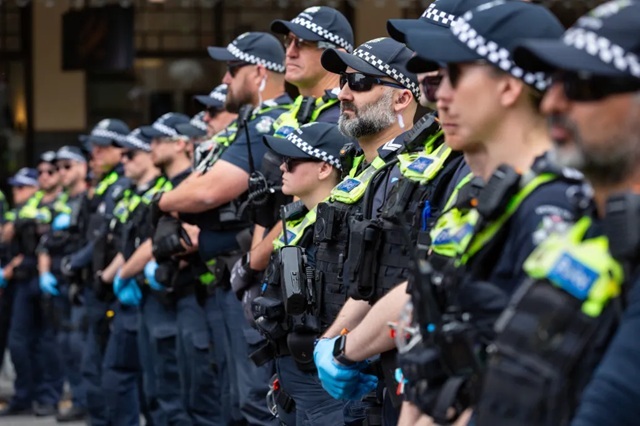
Owners like David Malaspina of Pellegrini’s Espresso Bar, a fixture since the 1950s, have grown increasingly concerned as violent protests and rising crime disrupt their operations. He told Times UK that repeat offenders out on bail have contributed significantly to the city’s insecurity. Police have responded by deploying officers armed with metal-detecting wands and new powers allowing stop-and-search operations without warrants across large areas of the city for six months.
Legislative changes have followed tragedies linked to youth crime, including the murder of residents by offenders previously out on bail. Victoria’s Labor government initially relaxed bail laws in 2023, only to reverse course after violent incidents and public pressure, passing stricter measures that include adult jail sentences for serious crimes committed by children aged 14 and above. Despite these steps, local residents and shop owners say daily life in Melbourne is increasingly fraught, with “swarming” armed robberies and targeted attacks on convenience stores and retail outlets becoming commonplace.
The city, while still bustling with Christmas shoppers and café-goers, now grapples with the tension between its global reputation for livability and the very real threat posed by escalating crime, leaving many to question whether Melbourne can maintain its standing without urgent reforms and stronger enforcement.