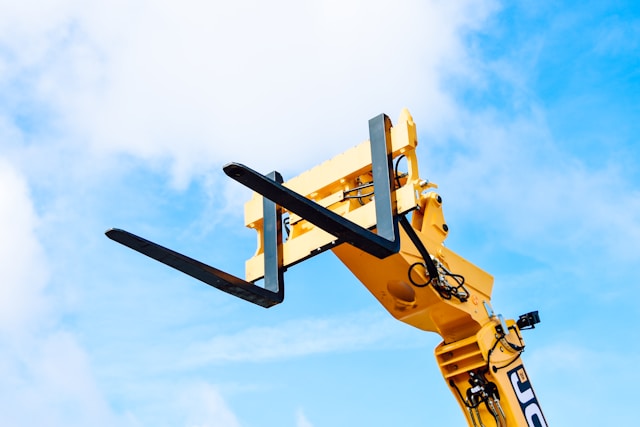
Times UK reports that JCB, Britain’s largest privately owned engineering company, faces losses running into “hundreds of millions of pounds” following the extension of US tariffs to cover finished goods containing steel and aluminium.
The Trump administration, in a move that reportedly caught the UK government off guard, expanded its existing 25% tariffs on steel and aluminium components to include all finished exports from Britain. Previously, JCB had expected a relatively minor impact of around $3 million.
Graeme Macdonald, JCB’s chief executive, described the new tariffs as “punitive” and “unexpected,” particularly as the company has invested heavily in US manufacturing, including a new plant in San Antonio, Texas, set to open next year with capacity for 20,000 machines annually.
The expanded Section 232 tariffs now affect all 30,000 diggers and construction machines JCB exports to the United States each year. Among the affected clients is Ashtead, JCB’s largest US customer, and a recently awarded $45 million contract to supply backhoe loaders to the US Marine Corps.
“The tariffs as they now stand are hugely punitive and they catch every machine that we ship to the US,” Macdonald said. “It will make us have to reconsider how we trade with North America.”
JCB is urging the UK government to intervene, seeking negotiations for exemptions similar to those obtained by Rolls-Royce for aeroengine exports. While the Department for Business and Trade noted that UK exporters are still better positioned than others facing at least 50% levies, industrial leaders say the new tariffs have blindsided both manufacturers and policymakers.
A department official told Times UK, “Thanks to our trade deal with the US, the UK is still the only country to have avoided 50 per cent steel and aluminium tariffs. We are committed to going further to give industry the security they need, protect vital jobs, and put more money in people’s pockets.”
The situation has prompted concerns over the future of UK-US trade in heavy machinery and the broader impact of ongoing tariff disputes.