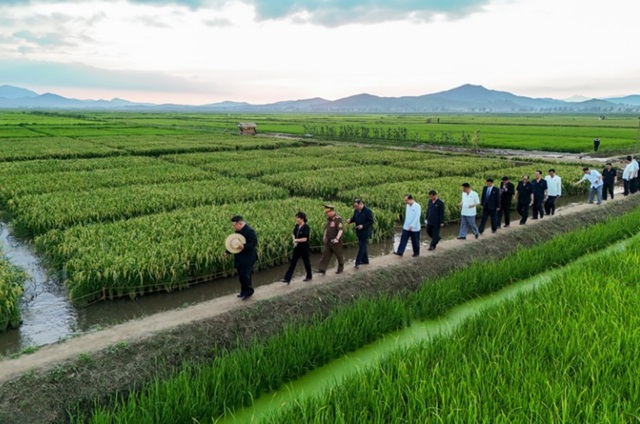
The human rights situation in the Democratic People’s Republic of Korea (DPRK) has not improved over the past decade and, in many cases, has worsened, according to a new report released Friday by the UN Human Rights Office. The report highlights increased restrictions on citizens, pervasive surveillance, and systemic abuses across all areas of life.
Covering the period since the 2014 UN Commission of Inquiry, the findings indicate that the DPRK has introduced new laws, policies, and practices that further tighten control over its population. “No other population is under such restrictions in today’s world,” the report states, citing an escapee who described intensified crackdowns designed “to eliminate even the smallest signs of dissatisfaction or complaint.”
In 2025, North Korea remains among the most closed societies in history, with the report linking the country’s deteriorating human rights environment to its broader political isolation and the tense security situation on the Korean Peninsula.
“What we have witnessed is a lost decade,” said UN Human Rights Chief Volker Türk. “If DPRK continues on its current trajectory, the population will face more suffering, brutal repression, and fear that they have endured for so long.”
The report details ongoing abuses, including the continued operation of political prison camps and the unresolved fate of hundreds of thousands of disappeared persons, including abducted foreign nationals. Citizens are subjected to lifelong state propaganda, and access to food and information remains severely restricted. The death penalty has been expanded, and severe punishments—including execution—are reportedly applied for minor offenses, such as sharing foreign media.
Technological advances have also enabled the government to intensify surveillance. Forced labor remains widespread, particularly through so-called “shock brigades” and the use of orphans and street children in hazardous mining and construction work.
Despite the grim findings, the report notes limited improvements in some areas. Escapees reported marginally better treatment in detention facilities, including decreased violence by guards, and some new laws have strengthened fair trial guarantees and protections against ill-treatment. North Korea has also ratified two additional human rights treaties and complied with certain reporting obligations.
However, the report underscores a stark gap between the country’s international commitments and the lived reality of its citizens. It calls on UN Member States to work toward accountability for potential international crimes, including through a Security Council referral to the International Criminal Court, and to uphold obligations to DPRK nationals under their jurisdiction.
The UN report recommends several immediate steps for the DPRK government to demonstrate genuine commitment to human rights. These include ending political prison camps and the death penalty, halting torture and ill-treatment in detention, reuniting families, providing information on the disappeared, promoting human rights education, inviting UN oversight, and accepting technical assistance on detention rights.
“Taking these steps would give the people a measure of hope that a path toward a future of greater freedom, equality, and rights is possible,” Türk said. “The hundreds of interviews conducted for this report show a clear and strong desire for change, particularly among young people.”