Oil prices climbed sharply on Thursday as escalating military actions between the United States and Iran intensified concerns over global energy flows, with Tehran announcing the closure of the Strait of Hormuz following additional US strikes and renewed threats from US President Donald Trump.
Brent crude futures rose US$1.48, or 1.59 per cent, to US$94.58 a barrel as of 0243 GMT, while US West Texas Intermediate crude increased US$1.71, or 1.90 per cent, to US$91.74. US crude futures had earlier gained more than US$3 during the session before easing slightly, reflecting heightened volatility in energy markets as traders reacted to rapidly evolving geopolitical developments. Global oil consumption is estimated at roughly 100 million barrels per day, underscoring the scale of potential disruption tied to supply routes in the region.
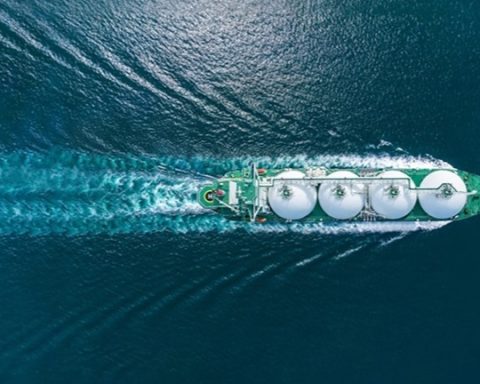
The market reaction followed Iran’s announcement that it had closed the Strait of Hormuz, a critical passage for global energy shipments. Iran’s top joint military command stated that the waterway, including access for oil tankers and commercial vessels, would be shut and warned that any vessel attempting passage would be targeted. The Strait of Hormuz is widely regarded as one of the most important oil transit chokepoints globally, with previous disruptions contributing to sustained price volatility in energy markets.
The escalation came after US forces launched additional strikes against multiple targets in Iran, with operations beginning at 5.15 pm US Eastern time on Wednesday, corresponding to 5.15 am in Singapore on Thursday. The latest military actions form part of an ongoing exchange of attacks that has raised concerns about a broader conflict after a fragile ceasefire agreement reached in early April. The US military said on social media platform X that commercial shipping continued to move in and out of the strait and reported that no US warships had been struck, countering earlier Iranian state media claims that US vessels near the waterway had been targeted by missiles and drones.
In comments reported by US media, Donald Trump told Fox News reporter Trey Yingst that US strikes would cease shortly, but warned of further escalation if Iran’s leadership did not immediately agree to a deal with the United States. He stated that he would “bomb the shit out of them” if no agreement was reached, underscoring the sharp rhetoric accompanying the military developments.
Analysts cited by ING stated that the closure of the Strait of Hormuz suggests a diplomatic resolution remains distant and that energy flows from the Persian Gulf are likely to remain constrained. The renewed escalation prompted an early morning rally in oil prices, according to the analysts, as traders reassessed supply risks linked to the region.
Additional pressure on global supply came from data showing a decline in US crude inventories. The US Energy Information Administration reported that stocks fell by 7.2 million barrels to 426.5 million barrels in the week ended June 5, exceeding expectations for a 4 million-barrel draw in a Reuters poll. Since the conflict began on February 28, US crude inventories, including strategic reserves, have dropped by 79 million barrels as the country moved to offset supply disruptions.
A Reuters survey also indicated that OPEC output in May fell to its lowest level in over two decades, as shipping constraints and reduced exports from Iran and other Gulf producers tightened global supply conditions further.