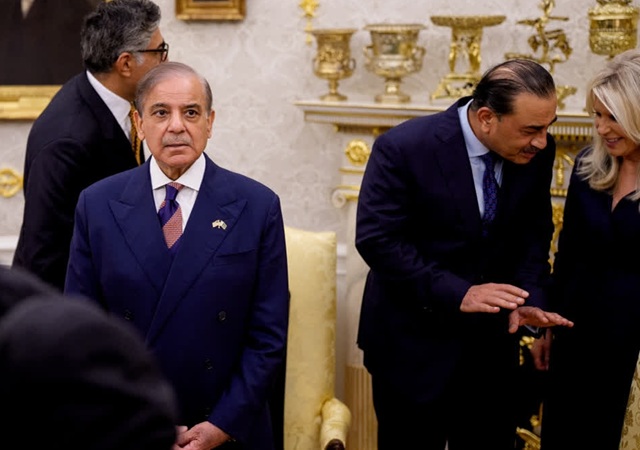
Pakistan has floated an ambitious proposal to the United States to build and operate a port on the Arabian Sea at Pasni, a seaside town just 70 miles from Gwadar and 100 miles from Iran. The plan, seen by the Financial Times, aims to provide American investors with access to Pakistan’s rich mineral resources, including copper and antimony, while enhancing Washington’s strategic options in one of the world’s most sensitive regions. Advisers to army chief Asim Munir shared the concept with US officials ahead of a White House meeting with former President Donald Trump, though a senior administration source said the proposal had not been formally discussed at that time.
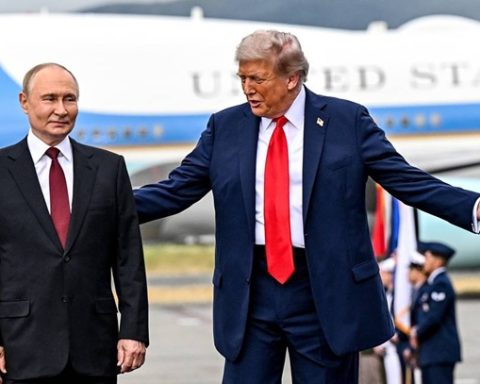
The initiative is part of a broader Pakistani strategy to strengthen ties with the United States amid shifting geopolitics in South Asia. Officials have also explored engagement with a Trump-backed cryptocurrency venture, cooperation on counterterrorism against Isis-K, and endorsement of Trump’s Gaza peace plan. Relations with the US have warmed notably since May, when Trump claimed credit for a ceasefire between Pakistan and India, prompting Munir and Prime Minister Shehbaz Sharif to publicly thank the former president and even nominate him for a Nobel Peace Prize. The Financial Times reports that these high-profile gestures have helped recast the narrative of US-Pakistan relations after two decades of relative neglect.
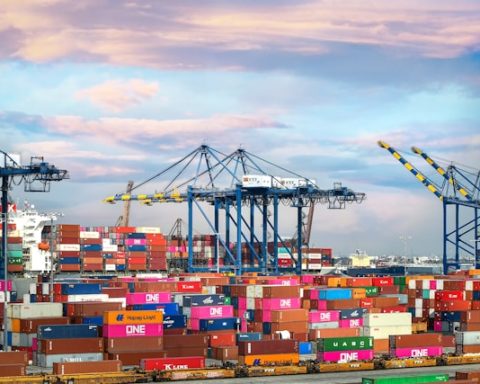
The proposed Pasni port would be linked to a new railway to transport minerals from Pakistan’s interior, with an estimated cost of up to $1.2 billion. Funding would combine Pakistani federal support with US-backed development finance. Advocates argue the port would provide a counterbalance to China’s Gwadar investment under the Belt and Road Initiative, which the US worries could have dual-use potential for military purposes. Pakistani officials stress that the plan would exclude “direct basing,” meaning it would not serve as a US military installation.
Pakistan has historically been aligned with China, which supplies much of its military equipment and has invested heavily in infrastructure projects. The Financial Times notes that Pakistan’s new proposal reflects a calculated attempt to diversify strategic partnerships, hedging against overreliance on Beijing while maintaining existing ties. US companies have already shown early interest: Missouri-based US Strategic Metals signed a memorandum with Pakistan’s military engineering arm to develop the minerals sector, and last month, Pakistan shipped a modest first consignment of copper, antimony, and neodymium to the United States.
With minerals currently contributing only about 3 percent of Pakistan’s GDP, the plan represents both an economic and geopolitical reset. Experts say it could offer Washington a new foothold in South Asia while giving Islamabad leverage in negotiations with multiple global powers. As Hussain Abidi, chair of the Pakistan Council of Scientific and Industrial Research, explained to the Financial Times, “This is a reset with America through economic ties rather than just the traditional security ties,” highlighting Islamabad’s ambition to balance its diplomatic and strategic interests in a rapidly evolving region.