Despite the perception that oil piracy is a thing of the past, the danger of petro-piracy continues to be a pressing issue for the global oil industry. Petro-piracy refers to the hijacking and illegal seizure or siphoning of oil or petroleum products from ships, pipelines, and storage facilities, with the most common targets being oil tankers.
These tankers are a lucrative target for pirates, not only because they transport highly valuable commodities, such as crude oil, liquefied natural gas (LNG), and refined petroleum, but also because they often act as offshore storage terminals. While offshore installations are less frequently targeted, their remote locations make them vulnerable as well.
Petro-piracy is most prevalent in regions with weak maritime law enforcement and unstable or poorly regulated oil and gas industries. The most notorious piracy hotspots, such as the Gulf of Guinea, see frequent attacks, with pirates turning to hijacking and siphoning oil from vessels, a practice known as oil bunkering. Such attacks can wreak havoc on industry supply chains, resulting in significant financial losses, oil theft, and even the taking of hostages for ransom.
Pirates targeting the oil industry have a range of valuable assets to choose from, including pipelines, offshore oil platforms, and oil tankers. Their loot can include petroleum products, machinery, and equipment like communication devices, navigation instruments, and drilling rigs. The illegal black market for stolen oil is worth over $1 billion, and rising oil prices could further incentivize attacks.
In the Gulf of Guinea, a region home to major oil-producing countries such as Nigeria and Angola, petro-piracy has shifted focus from onshore attacks on pipelines to offshore operations targeting tankers and platforms. Criminal organizations are increasingly involved in hijacking oil tankers and siphoning oil from them, often refining and selling the stolen goods through illegal networks. In Nigeria, illegal refineries have become a major concern, with over 6,000 such refineries destroyed by the Nigerian National Petroleum Corporation since 2021.
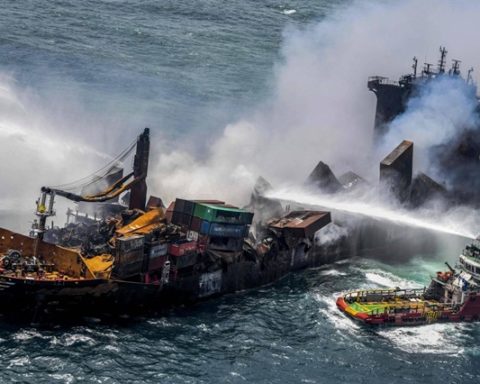
In recent years, geopolitical conflicts have also exacerbated the threat of petro-piracy. For example, in late 2023, the Houthi rebel group from Yemen began attacking oil tankers in the Red Sea and Gulf of Aden, targeting vessels in response to the Israeli invasion of Gaza. The Houthis’ missile and explosive attacks on tankers, such as the Greek-owned MV Sounion, disrupt global oil trade, force companies to reroute their fleets, and increase shipping costs.
As these groups target commercial oil tankers, they not only steal petroleum products but also jeopardize the safety of the crew. Piracy often includes the kidnapping of crew members for ransom, and the risk of unqualified personnel navigating hijacked vessels can lead to accidents and environmental disasters, especially in areas with dense shipping traffic.
Pirates have evolved their tactics, moving beyond traditional attacks on tankers. They have increasingly turned their attention to offshore platforms, which were previously considered harder targets due to their stationary nature and high security. However, the growth of drug cartels and militant groups in areas like the Gulf of Mexico and Somalia has raised alarms about the vulnerability of these platforms.
Somali pirates, who had been largely inactive for a decade, have resurfaced with a series of hijackings and attacks on oil tankers and platforms. Their operations have extended far from the coast, reaching up to 1,000 nautical miles offshore, making them a significant threat to ongoing offshore exploration projects, such as Turkey’s oil and gas blocks in Somalia.
The cost of dealing with petro-piracy is substantial, not only for oil companies but for entire nations. Countries in regions such as West Africa, which have faced heavy piracy activity, lost an estimated $1 billion in oil revenue in 2011 alone. For oil companies, the increased risk has led to higher insurance premiums and extended voyages, resulting in added operational costs.
To combat petro-piracy, the International Maritime Organization (IMO) recommends measures such as avoiding danger zones, speeding up transits, and using protective technologies like razor wire, water sprays, and foam monitors on vessels. The importance of a thorough risk assessment for oil companies has never been clearer, especially as vulnerabilities in shipping and platform security continue to expose the oil industry to attack.
Security around offshore platforms is also evolving, with companies relying on non-kinetic security methods, such as surveillance systems and alarm technologies, to monitor pirate activity. For tankers, maritime security providers like Cambridge Pixel have developed software that uses radar data to track and detect pirate vessels, triggering alarms when potential threats approach.
While some regions, like the Gulf of Guinea, have seen a reduction in piracy incidents, experts warn that these decreases are often followed by resurgences. Criminal organizations replenish their weapons, and pirates often adapt their tactics to exploit new vulnerabilities. Even with international cooperation between governments, private security firms, and navies, the potential for petro-piracy to escalate remains high.
In conclusion, petro-piracy remains a serious and evolving threat to global oil security. The oil industry must continue to innovate and invest in security measures to protect its assets, personnel, and infrastructure from increasingly sophisticated piracy tactics. This ongoing threat emphasizes the need for collaboration between industry stakeholders and international authorities to safeguard vital maritime trade routes and offshore platforms.