Russia is solidifying its position as a global leader in nuclear power plant construction, with more than 10 nuclear units currently under construction in countries including China, Iran, and Turkey, according to a report by The Financial Times. This strategic push aligns with rising global energy demand fueled by artificial intelligence advancements and expanding developing markets.
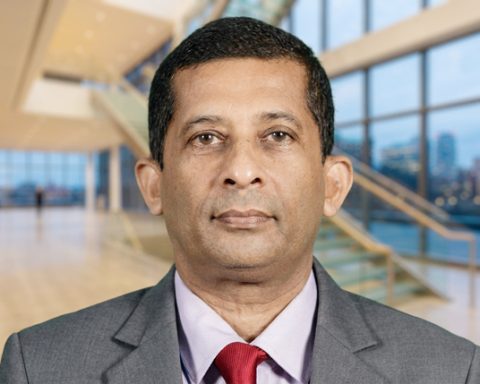
Boris Titov, the Kremlin’s special envoy for international cooperation in sustainability, emphasized Russia’s ambition to maintain its status as “one of the biggest builders of new nuclear plants in the world.” Speaking to The Financial Times, Titov highlighted the increasing demand for nuclear energy in developing nations seeking cleaner energy solutions and from technology companies operating energy-intensive data centers. The International Atomic Energy Agency has projected a 155% increase in global nuclear generating capacity by 2050, making nuclear power a crucial component of future energy strategies.
Russia’s overseas nuclear projects span 54 countries, with active construction in Bangladesh, Egypt, India, and Hungary, among others. Notable initiatives include the Paks 2 nuclear plant in Hungary and planned small modular reactors in Uzbekistan. Russia’s state nuclear corporation, Rosatom, plays a critical role in the international nuclear landscape, accounting for over a third of the new reactors currently under construction worldwide, as reported by The Financial Times.
While Russia’s nuclear expansion faces geopolitical resistance, including U.S. sanctions and efforts by Western countries to reduce reliance on Russian enriched uranium, the nation’s dominance remains largely unchallenged in developing markets. Hungary and Slovakia, for instance, continue to engage with Russian suppliers despite broader EU attempts to sever ties.
The global competitive landscape is further complicated by countries like Malaysia exploring nuclear energy options. Nik Nazmi Nik Ahmad, Malaysia’s minister of natural resources and environmental sustainability, acknowledged discussions with major global players about potential nuclear projects, though he did not disclose specifics.