In a chilling escalation of hybrid warfare tactics, Russia’s intelligence services are recruiting Ukrainian teenagers as spies and saboteurs, using popular messaging apps and promising fast money in exchange for dangerous missions — a campaign that Ukrainian authorities say is growing in scale and sophistication. The revelations, reported by the Financial Times, shed light on an increasingly insidious front in Russia’s war on Ukraine.
According to Ukraine’s Security Service (SBU), dozens of minors — some as young as 15 — have been lured through encrypted apps like Telegram, Viber, WhatsApp, and Discord with what appear to be job offers or “quests” to perform tasks ranging from photographing military positions to planting bombs. These missions, officials warn, are often coordinated remotely by Russia’s federal security service (FSB).
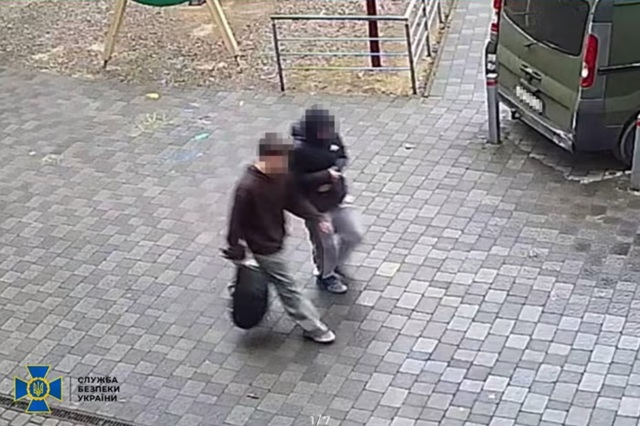
In one recent case, a 16-year-old boy was arrested in Dnipro city while allegedly attempting to photograph military targets for the FSB. Ukrainian authorities believe the intelligence he gathered could have been used to direct deadly missile or drone strikes — like those that struck Dnipro this week, killing at least 20 people and wounding over 170.
“This is not an isolated incident,” said Lt. Gen. Vasyl Malyuk, head of the SBU. “The enemy is aggressively committing various crimes against national security, including recruiting agents from among our own citizens — including children.”
SBU spokesperson Artem Dekhtiarenko told the Financial Times that more than 700 individuals had been arrested in the past year in connection with Russian-orchestrated sabotage, espionage, and arson. Alarmingly, approximately 25% of those arrested — around 175 people — were under 18.
While some minors knowingly collaborate, others are misled or coerced. “Underage people cannot foresee the consequences of their actions,” Dekhtiarenko said, emphasizing their vulnerability to manipulation.
The tactics employed are disturbingly creative. Russian handlers often disguise their operations as games, asking teens to complete “quests” — scavenger hunt-style missions that involve reaching specific locations, photographing sensitive sites, and sending reports via encrypted messaging. In several confirmed cases, this data was later used to coordinate attacks, including airstrikes on civilian infrastructure in cities like Kharkiv.
One especially tragic incident involved two boys, aged 15 and 17, recruited to plant a bomb at a railway station. The device detonated prematurely, allegedly triggered remotely, killing one and injuring the other along with two bystanders. In another case, a 19-year-old woman in Kharkiv was arrested for allegedly bombing a military e-scooter donation, killing a soldier after being recruited via Telegram.
The problem has grown to such a scale that Ukrainian authorities have launched a sweeping public awareness campaign. Billboards, train videos, school workshops, and SMS alerts now warn children and parents alike of the risks. The campaign’s slogan: “Don’t burn your own! Burn the enemy!”
By the end of May, 50 minors had reported attempted recruitment via messenger apps. Ukraine’s juvenile police are now actively involved, and the SBU has begun holding informational sessions in schools to help teens recognize and resist online grooming by Russian operatives.
The SBU has also reported new tactics, including Russian agents impersonating Ukrainian officials to extract cooperation through manipulation or threats. While the Ukrainian government insists that due process is being observed for juveniles charged with serious crimes like treason, there is growing concern among rights groups.
Yulia Gorbunova, a senior researcher at Human Rights Watch, emphasized that “detention or imprisonment of children should be used only as a last resort,” and that international juvenile justice standards must apply even during wartime.
Ukrainian officials, however, remain under immense pressure to respond decisively. “To us, they are state traitors,” said SBU chief Malyuk, signaling that national security concerns are weighing heavily against leniency.
As the Financial Times highlights, the weaponization of children marks a dark evolution in Russia’s campaign to destabilize Ukraine — one that strikes at the nation’s future, targeting not just its infrastructure, but its most vulnerable citizens.