Saudi Arabia is cutting back on the billions spent on outside consultants, signaling a shift from the free-spending era that fueled a consulting boom across the kingdom’s ambitious megaprojects. Once a goldmine for firms advising on Vision 2030, the Saudi market is cooling as Riyadh reins in costs and demands greater accountability.
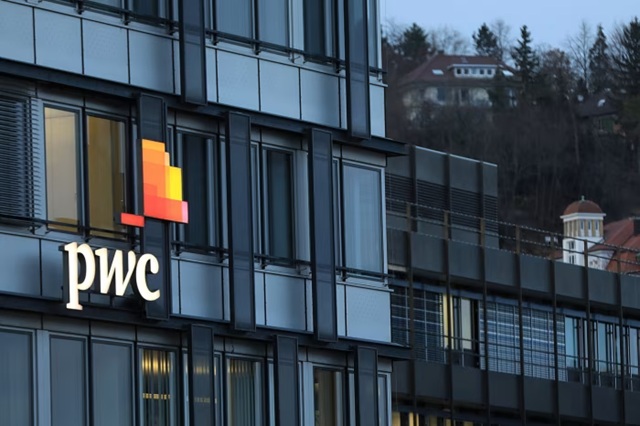
According to Financial Times sources, consulting growth, which surged by 38% in 2022 and 25% in 2023, is projected to slow to just 13% this year. The powerful Public Investment Fund (PIF) has already banned PwC from securing new advisory work for a year, a move seen as a reaction to the massive consultancy fees draining government budgets.
The once-lucrative “body-shopping” model, where firms staffed ministries and PIF subsidiaries with outsourced expertise, is now under scrutiny. The Neom megaproject, long a feeding frenzy for consultants, has been criticized for excessive spending. An insider quoted by the FT said Neom was “getting ripped off” and that there were growing concerns over how firms were profiting from Saudi Arabia’s giga-projects.
Lower oil revenues, Aramco’s dividend cuts, and sluggish foreign direct investment have put pressure on state finances, making cost control a priority. Consulting firms are now being forced into price wars, with some cutting fees by half compared to peak years. The rapid expansion of global consultancies in the Gulf has also turned the market into a buyer’s game, giving Saudi ministries leverage to demand lower costs.
Despite the slowdown, Riyadh’s spending remains significant, with deadlines looming for high-profile projects like the 2029 Asian Winter Games and the 2034 FIFA World Cup. But the free-flowing contracts of the past are gone, replaced by a demand for specialized expertise over sheer manpower. The kingdom still needs consultants—but not at any price.