A high-budget Saudi television production portraying the life of an early Islamic ruler has ignited controversy across the Middle East, with Iraq and Iran banning the show and some clerics denouncing it as sinful.
The show, Muawiya, reportedly the most expensive Arab television production ever made with a budget of up to $100 million, focuses on the contentious seventh-century schism that led to the split between Sunni and Shia Islam. This political and religious divide continues to shape the modern Muslim world.
The series, which features elaborate battle scenes and grand historical sets, tells the story of Muawiya ibn Abi Sufyan, a companion of the Prophet Mohammed. He famously fought against the prophet’s cousin and son-in-law, Ali ibn Abi Talib, who is revered by Shia Muslims. The show began airing on Saudi-owned MBC as part of its Ramadan programming, a time when television viewership peaks in the region.
According to the Financial Times, the show’s portrayal of Muawiya has provoked criticism, with accusations of historical inaccuracies and concerns over how Islamic figures are being depicted. Some scholars have also deemed the representation of Muawiya as religiously unacceptable. In Egypt, a scholar from Al-Azhar University argued that such portrayals violate religious norms, while another cleric went as far as to call watching the show a sin.
Despite the bans from Iraq and Iran, where authorities feared it could “threaten social peace,” there has been no significant diplomatic backlash against Saudi Arabia. Some analysts believe Riyadh felt emboldened to release the series following improved relations with both nations. H.A. Hellyer, a senior associate fellow at the Royal United Services Institute, suggested that Saudi Arabia might be testing the resilience of its regional ties.
Within Saudi Arabia itself, the response from the religious establishment has been relatively muted, reflecting the kingdom’s ongoing social liberalization under Crown Prince Mohammed bin Salman. The controversy echoes previous debates over MBC productions, including a series on the historical ruler Umar ibn al-Khattab, which was condemned by Saudi Arabia’s Grand Mufti at the time.
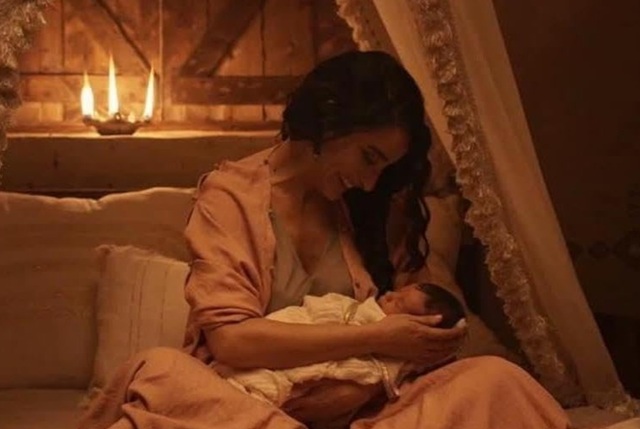
Beyond religious and political disputes, Muawiya has also been criticized by viewers for certain anachronistic elements. Some social media users mocked a scene depicting Muawiya’s mother wearing what appeared to be modern nightwear, while another scene featuring the ruler wrapped in a towel receiving a massage drew similar ire.
However, controversy often fuels interest, and experts suggest the backlash may ultimately boost the series’ viewership. “It’s not clear that bans and controversy are going to damage the reception of the series,” Hellyer noted. “They might even propel ratings.”