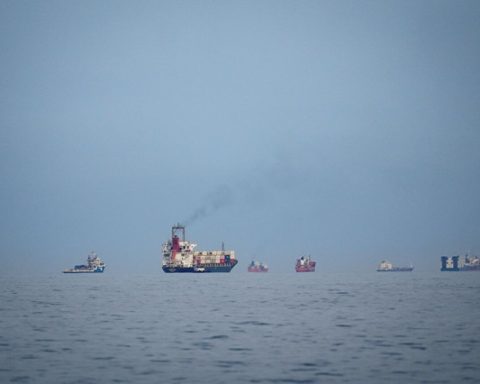
Singapore-based container shipping group SeaLead has denied ties to the Iranian regime after U.S. sanctions forced it to withdraw a third of its fleet from service, according to the Financial Times.
The U.S. Treasury last month sanctioned 16 vessels chartered by SeaLead as part of a crackdown on more than 115 people, ships, and entities it says are linked to Mohammad Hossein Shamkhani — the son of a senior adviser to Iran’s supreme leader. The UK imposed parallel sanctions this week.
Although SeaLead itself has not been blacklisted, the action underscores the opacity of the global shipping sector, where fleets are often structured through layers of shell companies and management firms. The sanctioned vessels represented nearly one-third of SeaLead’s 52-ship chartered fleet, which had propelled the group to rank as the world’s 13th-largest container line just eight years after its founding.
SeaLead told the FT it had “terminated its charter parties” with the affected shipowners and stressed it had “no ties, direct or indirect, with any individuals or entities associated with the Iranian regime.” The company added it was confident none of its vessels had been used to transport goods for Tehran.
The U.S. sanctions notice alleged links between the SeaLead-chartered vessels and Draco Buren, a Singapore-based manager accused of operating on behalf of the Shamkhani network. SeaLead’s founder, Jaideep Saigal, previously held senior roles at Draco Buren, but the company said Saigal exited in 2019 and has had no relationship since.
Draco Buren was listed as technical manager for four SeaLead-chartered vessels prior to the sanctions. Saigal was also photographed representing the firm at a maritime event in Singapore as recently as October 2022. Neither he, Draco Buren, nor UAE-based Marvise — another shipping services firm cited in the U.S. notice — responded to requests for comment.
SeaLead, which operates services between Asia, the U.S., the Mediterranean, Africa, Australia and the Middle East, emphasised it conducts “stringent compliance checks, sanctions screening, and due diligence” before leasing vessels.