SpaceX is preparing for a landmark initial public offering that could value the company at nearly $1.77 trillion, positioning it as one of the most valuable firms ever to enter public markets and marking what could become the largest stock market debut in history. The offering highlights growing investor appetite for high-growth technology firms tied to space exploration, artificial intelligence, and next-generation infrastructure.
The company plans to sell more than 555 million shares at $135 each, aiming to raise approximately $75bn in fresh capital. If successful, the valuation would place SpaceX among the top global corporations by market capitalisation, surpassing several major technology giants and placing it just behind the world’s leading semiconductor and platform companies in scale.
The IPO would also exceed previous record listings, including the 2019 debut of Saudi Aramco, underscoring the increasing dominance of technology-driven valuations in global capital markets. Analysts note that the scale of the offering reflects not only investor demand but also the expanding financial ambition of private space enterprises transitioning into public markets.
Despite the unprecedented valuation, the company’s financial profile remains deeply unprofitable. Recent disclosures indicate multibillion-dollar annual losses, even as revenues continue to grow. This disconnect between earnings and valuation has fueled debate among analysts about whether the IPO reflects proven performance or long-term speculative potential tied to future industries such as space logistics and satellite communications.
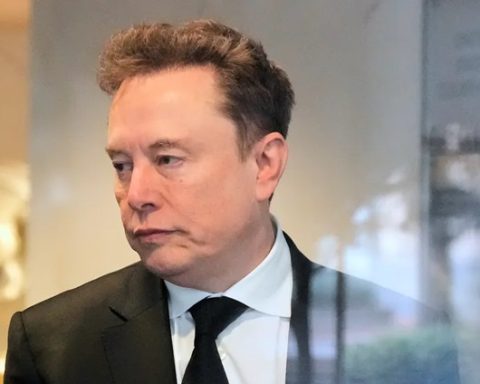
Control of the company will remain firmly in the hands of founder Elon Musk, who is expected to retain a dominant voting stake through a dual-class share structure that consolidates decision-making power despite the public listing. This arrangement ensures strategic continuity but has also raised questions about governance in one of the most high-profile IPOs in recent memory.
Market observers have highlighted the unusual structure of the offering, noting that SpaceX has set a fixed share price ahead of its traditional investor roadshow, a departure from standard IPO pricing procedures. This move is widely interpreted as a signal of strong internal confidence in demand, as well as the company’s ability to dictate terms in a highly anticipated listing.
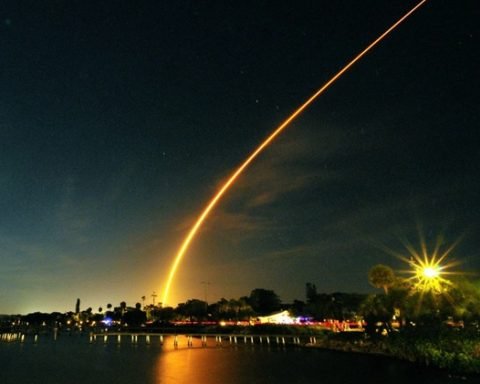
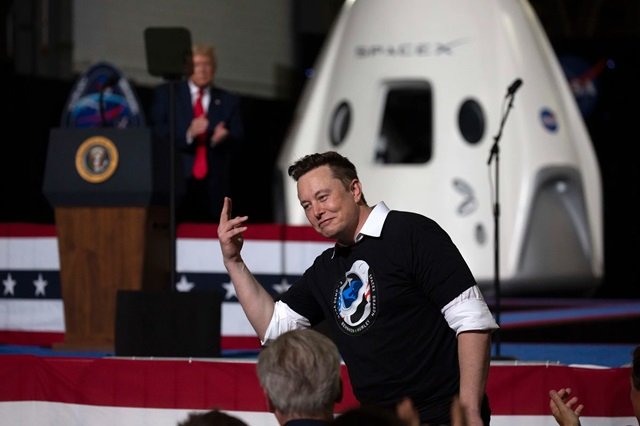
SpaceX’s business spans rocket manufacturing, reusable launch systems, satellite communications through its Starlink division, and artificial intelligence development via its xAI initiatives. The company’s long-term vision includes ambitious projects such as interplanetary travel and the establishment of a self-sustaining human presence on Mars, goals that continue to shape investor perception of its future value.
However, analysts caution that the company’s valuation is heavily dependent on future growth assumptions rather than current profitability. Unlike earlier industrial giants that entered public markets with established earnings, SpaceX is being priced largely on expectations of expansion into multiple frontier sectors including aerospace, AI, and global connectivity.
Investor sentiment nonetheless remains strong, with market-linked instruments already pricing in an even higher potential post-listing valuation. Some analysts compare the current enthusiasm to earlier high-growth technology cycles, where early losses eventually gave way to dominant market positions after profitability was achieved.
The IPO is expected to serve as a major test of confidence in Musk’s broader technological vision, as well as a key indicator of whether investors are willing to sustain multi-trillion-dollar valuations for companies still operating at a loss. It also marks one of the most significant events in a wave of large technology listings expected to reshape global equity markets in the coming year.