by Our Economic Affairs Editor
Sri Lanka’s economy is set to expand by 3.9% in 2025, maintaining the momentum of recovery driven by remittances, tourism, and a rebound in domestic demand. According to the Asian Development Outlook September 2025 report by the Asian Development Bank, the country is benefiting from stronger private credit, a resurgence in industrial production, and an improved business climate. In the first quarter of the year, the economy grew by 4.8% compared with the same period in 2024, while the index of industrial production rose 5.1% year-on-year in the first half, nearly regaining pre-crisis levels. Lending conditions have also improved significantly, with private sector credit surging 19.6% by July, fueled by vehicle imports, low interest rates, and optimism in construction and services.
Inflation, which had been subdued for months, is slowly returning. Headline inflation dropped by 1.7% in the first eight months of 2025, largely due to lower energy and transport costs, while food inflation held at just 1.5%. Non-food prices, however, fell by 3.2%. Energy tariff adjustments in June pushed inflation upward, and it is forecast to average only 0.5% in 2025 before climbing to 4.5% in 2026. The Central Bank responded cautiously, cutting its key policy rate by 25 basis points in May to 7.75% before holding it steady, citing manageable inflation risks and the need to support growth.
The external sector showed signs of strengthening, as the current account surplus expanded by more than 30% in the first half of 2025. Worker remittances jumped by 19.3%, while tourism earnings climbed 8.4% as arrivals surpassed pre-pandemic levels. However, imports grew at a faster 12.4%, largely driven by vehicle purchases, compared with a 5.7% increase in exports. By August, gross official reserves stood at $6.2 billion, covering 3.7 months of imports, while the rupee had depreciated 3.3% against the US dollar since the start of the year.
Despite signs of stabilization, debt remains a heavy burden. Public debt is expected to stay around 109% of GDP through 2025–2026. Progress has been made under the IMF’s Extended Fund Facility, with $1.74 billion disbursed so far and debt restructuring agreements secured with multiple creditors, including France, India, Japan, Saudi Arabia, and the United Kingdom. Completion of restructuring is targeted by the end of 2025, but fiscal discipline and reforms will be critical to sustaining stability.
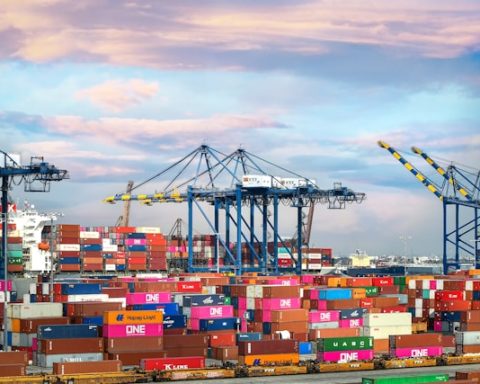
Looking ahead, Sri Lanka’s prospects for 2026 are clouded by external shocks. Economic growth is forecast to slow to 3.3% as the United States imposes 20% tariffs on key Sri Lankan exports such as garments and rubber, which together accounted for nearly a quarter of export earnings in 2024. These measures risk weakening export competitiveness, triggering job losses in vital industries, and curbing household consumption. Additional risks stem from instability in the Middle East, which could disrupt remittance inflows, as well as global energy price volatility and climate-related shocks to agriculture.
While Sri Lanka’s recovery has gained traction in 2025, underpinned by remittances, tourism, and domestic demand, the country stands at a critical juncture. Success in managing debt restructuring and navigating external headwinds will determine whether its fragile growth path can be sustained in 2026 and beyond.